After rainstorms, you should promptly inspect your hubs for water ingress and clean them to prevent damage. Remove the rear wheel, cassette, and rotor before using a degreaser on the hub surfaces. Check for sticky freehub action and guarantee proper lubrication. When reassembling, lightly lubricate the pawls and ratchet ring, while checking for smooth rotation. Regular maintenance checks and using the right grease can enhance durability. Learn how to perform these tasks effectively by exploring our detailed guide.
Key Takeaways
- Remove the rear wheel and inspect the hub for water infiltration or rust signs post-rainstorm.
- Clean the hub surfaces using degreaser while avoiding cartridge bearings to prevent damage.
- Inspect the freehub body for sticky behavior, indicating the need for cleaning or lubrication.
- Reassemble with light lubricant on pawls and ratchet ring, ensuring proper seating and alignment.
- Regularly check seals and repack bearings with marine grease to protect against future water damage.
Importance of Hub Maintenance After Rain
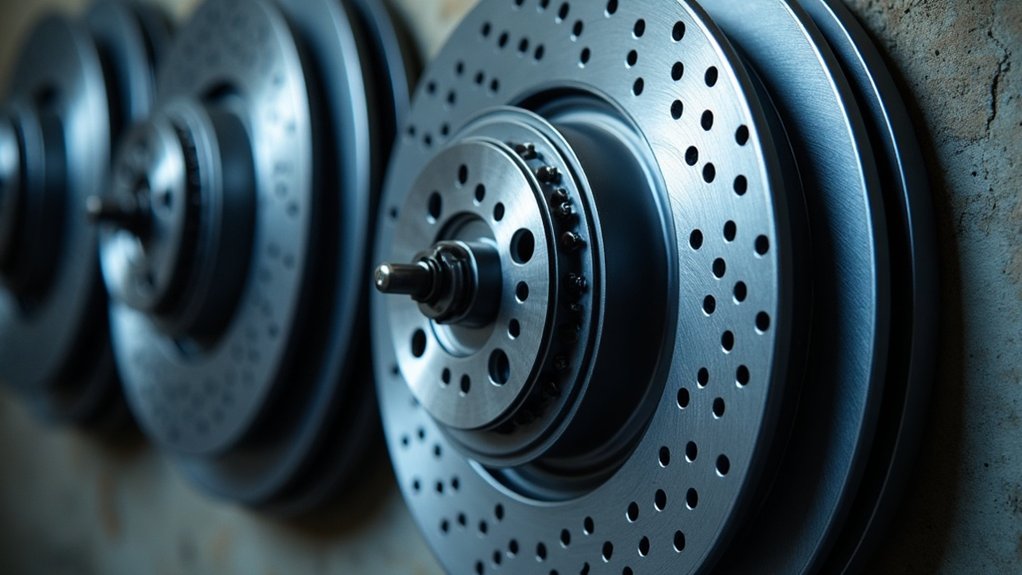
When you ride in the rain, water can infiltrate your hubs, leading to potential damage if maintenance isn’t performed promptly.
Regular maintenance is essential after wet rides to prevent bearing issues that can compromise performance. Accumulated moisture and grit can create grinding noises, signaling the need for immediate inspection.
Regular maintenance after wet rides is crucial to avoid bearing issues and ensure optimal performance.
By conducting thorough checks and cleaning, you can avert premature wear on your hubs. Using Grade 00 and Grade 2 grease during this maintenance process protects components from water damage, ensuring peak functionality.
Prioritizing maintenance not only prolongs hub longevity but also guarantees a smoother and safer riding experience.
Step-by-Step Hub Cleaning Process
To maintain ideal performance, follow a systematic approach to cleaning your hubs after rain exposure.
Start by removing the rear wheel, then take off the cassette and disc rotor to prevent contamination.
Use a degreaser on a shop towel to clean the hub surfaces carefully, avoiding any contact with the cartridge bearings.
Employ a wrapped screwdriver to extract gunk from hard-to-reach areas, ensuring thorough cleaning of all nooks.
Reassemble by reversing disassembly steps, applying a light lubricant to the pawls and ratchet ring.
Finally, spin the wheel to test for smooth rotation, confirming all components function correctly before reinstalling.
Inspecting and Repairing Freehub Components
Inspecting freehub components after exposure to rain is essential, as moisture can compromise their functionality.
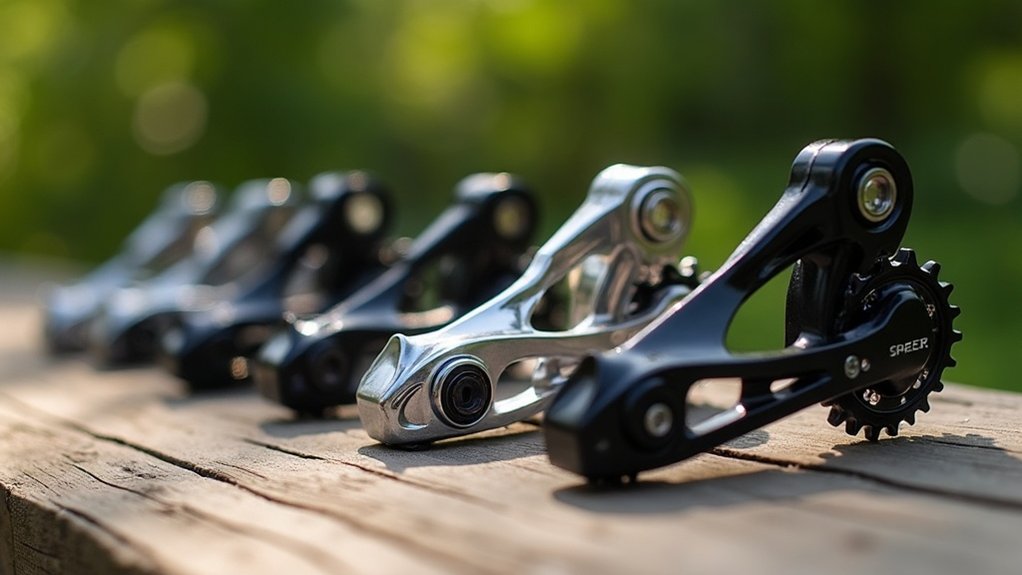
First, check the freehub body for signs of water infiltration, which could lead to rust or a seized pawl mechanism. Make certain to remove the cassette carefully and clean surfaces with a degreaser, avoiding contact with cartridge bearings.
Look for any sticky behavior in the freehub, indicating a need for further cleaning or lubrication of the pawl and ratchet system.
Regularly inspect for wear and guarantee proper lubrication to enhance drivetrain performance and longevity, ultimately ensuring a reliable riding experience.
Reassembly and Lubrication Techniques
After thoroughly inspecting and cleaning the freehub components, reassembly requires careful attention to detail to guarantee peak performance.
Focus on these key steps during reassembly:
- Properly seat pawls and springs for ideal engagement.
- Apply a light lubricant to the pawls and ratchet ring, avoiding excess grease.
- Check axle alignment and smooth rotation through the cup and cone bearings.
Tighten the preload ring to eliminate axle play without over-tightening.
Finally, spin the wheel to test for smooth rotation and engagement sounds, confirming successful lubrication and assembly of the hub components.
This precision guarantees long-lasting performance after rainstorms.
Tips for Preventing Future Water Damage
While rainstorms can pose considerable risks to your bike hubs, implementing proactive maintenance strategies can greatly reduce the likelihood of water damage.
Regularly inspect your hubs for water ingress, cleaning them with degreaser or isopropyl alcohol after wet rides to prevent corrosion.
Regular inspections and cleaning after wet rides are essential to prevent water damage and corrosion in your bike hubs.
Apply marine grease to enhance protection, focusing on the cone bearing area, and guarantee all seals are intact.
After cleaning, repack bearings with Grade 00 or Grade 2 grease to create a moisture barrier.
Conduct thorough maintenance checks and reapply lubricant frequently, especially post-rain, to maintain peak hub performance and longevity.