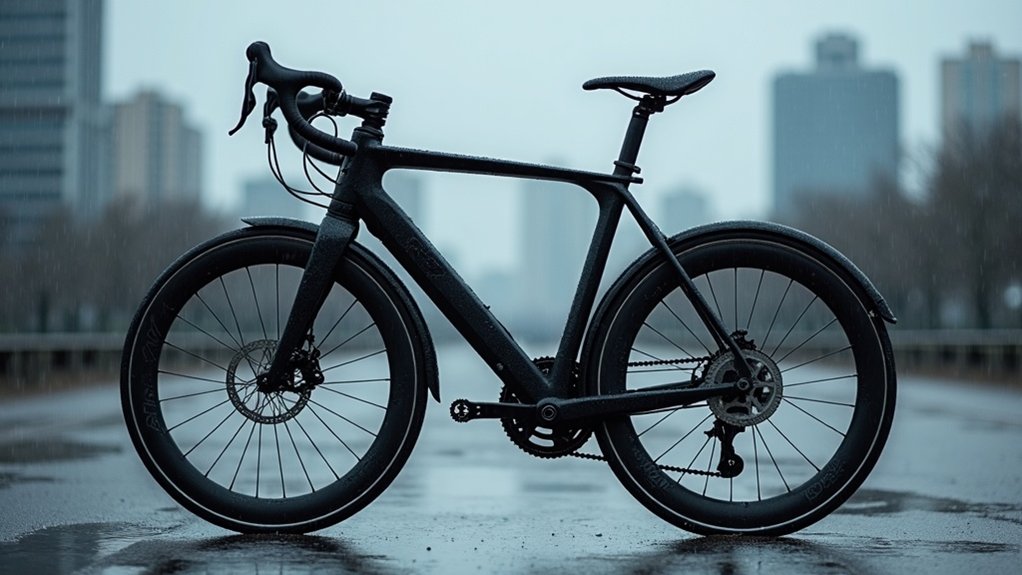
Your e-bike’s IP rating is essential for rainy climates. It indicates how well it resists water and dust, protecting important components like the battery and motor. A higher rating, such as IPX6, means it can handle heavy rain without damage. This not only guarantees reliability but also reduces long-term maintenance costs. Understanding these ratings can help you make informed choices. There’s much more to discover about selecting the right bike for wet conditions and maintenance tips.
Key Takeaways
- IP ratings indicate the level of water resistance, essential for protecting e-bike components in rainy climates.
- Higher IP ratings, like IPX6, ensure functionality during heavy rain, preventing moisture damage.
- Adequate waterproofing reduces the risk of short circuits, maintaining e-bike reliability in wet conditions.
- Regular maintenance and inspections are crucial to prevent water damage and extend e-bike lifespan.
- Choosing e-bikes with higher IP ratings minimizes long-term maintenance costs associated with moisture-related issues.
Understanding IP Ratings: A Key to E-Bike Protection
When it comes to protecting your e-bike in rainy climates, understanding IP ratings is essential.
These ratings indicate how well your bike’s electrical components are shielded against dust and water intrusion. The first digit measures dust protection, with 6 being dust-tight, vital for preventing damage during wet rides.
The second digit focuses on water resistance, ranging from 0 to 8. For rainy conditions, look for at least an IPX4 rating, but an IPX6 rating provides greater assurance against water jets and temporary immersion.
The Importance of Water Resistance in Electric Bikes
When you choose an electric bike, understanding its IP rating is vital for ensuring water resistance.
A higher rating protects key electrical components like the battery and motor from moisture damage, which is essential in rainy climates.
Understanding IP Ratings
Water resistance is an essential factor to take into consideration when choosing an electric bike, especially for riders in rainy climates.
Understanding IP ratings helps you select models that shield electronic components from water damage. Here’s what to consider:
- IP Rating System: Higher numbers mean better protection.
- Water Resistance Levels: IPX3 handles light rain; IPX6 withstands powerful jets.
- Regular Maintenance: Inspect your bike to prevent corrosion.
- Cost Implications: Investing in better-rated bikes can reduce long-term maintenance costs.
Choose wisely to enjoy safe rides while minimizing risks from dust and debris in wet conditions!
Protecting Electrical Components
Protecting electrical components in your electric bike is essential, especially if you’re maneuvering through rainy conditions. E-bikes rely on sensitive parts, making adequate waterproofing vital. Understanding IP ratings helps you gauge protection against water ingress. Here’s a quick look at common ratings:
| IP Rating | Water Resistance Level |
|---|---|
| IPX4 | Protection against splashes |
| IPX5 | Protection against low water jets |
| IPX6 | Protection against powerful jets |
| IPX7 | Protection against temporary immersion |
Regular maintenance, like drying off after exposure to rain, prolongs your e-bike’s lifespan. Remember, no e-bike is fully waterproof.
How IP Ratings Protect Sensitive Components
Understanding IP ratings is essential for anyone who rides an e-bike, especially in rainy climates.
These ratings indicate how well your bike’s sensitive components are protected from moisture-related damage and dust.
Here’s how they help:
- Water Resistance: Higher ratings like IPX6/IPX7 guarantee components stay functional in heavy rain.
- Dust Protection: Ratings of IP5/IP6 guard against dirt, preventing interference with electrical systems.
- Short Circuit Prevention: Proper IP ratings greatly reduce the risk of short circuits.
- Longevity: Adequate waterproofing prolongs your bike’s lifespan, keeping it reliable in adverse weather.
Choosing the Right E-Bike for Wet Conditions
When you’re choosing an e-bike for wet conditions, understanding IP ratings is essential.
Aim for at least an IPX5 rating to guarantee reliable protection against water jets, but an IPX6 rating is even better for heavy rainfall.
Additionally, consider features like sealed battery compartments and protected ports to enhance your bike’s resilience in challenging weather.
Understand IP Ratings
Choosing the right e-bike for wet conditions can be a formidable task, especially with the variety of IP ratings available.
Understanding these ratings helps you gauge water resistance and dust resistance. Here’s what to weigh:
- IPX4: Suitable for light rain and splashes.
- IPX5: Can withstand water jets from any direction, ideal for daily commuters.
- IPX6: Recommended for heavy rain, offering robust protection against powerful water jets.
- Sealed Connectors: Enhance overall durability and performance.
Assess Riding Conditions
How do you guarantee your e-bike can handle the challenges of wet conditions? Start by evaluating the IP rating; look for at least an IPX5 rating for effective water resistance against jets and light rain.
Higher ratings, like IPX6 or IPX7, provide better protection for all-weather riders. Pay attention to e-bike specifications, including thoughtful design features such as internal cable routing and protected charging ports, which enhance resistance to water damage.
Common Risks of Riding an E-Bike in the Rain
Although riding an e-bike can be a thrilling experience, doing so in the rain brings several risks that every rider should be aware of.
Here are some common hazards:
- Water Damage: Sensitive electrical components can malfunction, leading to costly repairs.
- Corrosion: Prolonged exposure to heavy rain can corrode metal parts, increasing maintenance costs.
- Submersion Risks: Riding through puddles poses a risk, even for water-resistant e-bikes.
- Electrical Shorts: High-pressure water can cause shorts, jeopardizing e-bike protection.
Knowing your bike’s IP rating is vital for minimizing these risks while riding in the rain.
Maintenance Practices for Water-Resistant E-Bikes
Understanding the IP rating of your e-bike is just the beginning; maintaining it properly is what truly protects it against the elements.
Regularly inspect crucial components like the battery, motor, and wiring for water damage. After riding in rain, dry off the frame and components to prevent rust, especially around electrical connections.
Regular checks on the battery, motor, and wiring are essential to prevent water damage and rust.
Avoid pressure washers, as they can compromise seals and allow water ingress. Use quality wet-weather chain lubricant post-cleaning to maintain performance.
Finally, store your e-bike in a dry, ventilated area, and consider a waterproof cover outdoors to shield it from humidity and guarantee long-lasting protection.
Riding Tips for Inclement Weather
When riding your e-bike in inclement weather, being proactive about your safety and the bike’s performance is essential.
Follow these riding tips to guarantee a smooth experience:
- Check the IP rating; aim for IPX5 or higher for daily wet rides.
- Use waterproof materials to cover the display and battery, preventing water ingress.
- Equip your bike with full-coverage fenders to protect critical components from tire spray.
- Adjust your riding technique: reduce speed, brake evenly to avoid skidding, and maintain a steady, upright position for better control.
These steps will help you enjoy riding in the rain with confidence.
Setting Realistic Expectations for E-Bike Performance in Rain
While e-bikes offer impressive performance in various weather conditions, it’s vital to set realistic expectations regarding their capabilities in the rain.
Most e-bikes are classified as water-resistant, meaning they can handle light to moderate rain but aren’t built for heavy downpours or complete submersion. An IPX6 rating provides strong rain protection, while lower ratings may necessitate extra precautions.
Remember, maintaining your e-bike through regular checks and proper drying is important for longevity in rainy climates.