You should upgrade from mechanical to hydraulic brakes on your eBike if you need better stopping power and control in challenging conditions like steep descents or wet weather. Hydraulic brakes provide superior modulation, reducing the need for frequent adjustments while ensuring reliable performance. If you’re facing issues with cable wear or inconsistent braking power, it’s a strong indicator for an upgrade. Discover how hydraulic systems can enhance your riding experience and reduce maintenance needs for the long haul.
Key Takeaways
- Upgrade if you frequently ride in wet or muddy conditions, as hydraulic brakes perform better than mechanical brakes in these environments.
- Consider upgrading if you experience regular issues with cable wear and need frequent adjustments for mechanical brakes.
- If you often descend steep hills or carry heavy loads, the superior stopping power of hydraulic brakes is beneficial.
- Evaluate your riding style; aggressive riders benefit from the enhanced control and modulation provided by hydraulic systems.
- Assess your budget; while hydraulic brakes have higher initial costs, they offer long-term savings through reduced maintenance frequency.
Understanding Disc Brake Types
When considering the differences between mechanical and hydraulic disc brakes, you might wonder which system best suits your riding style.
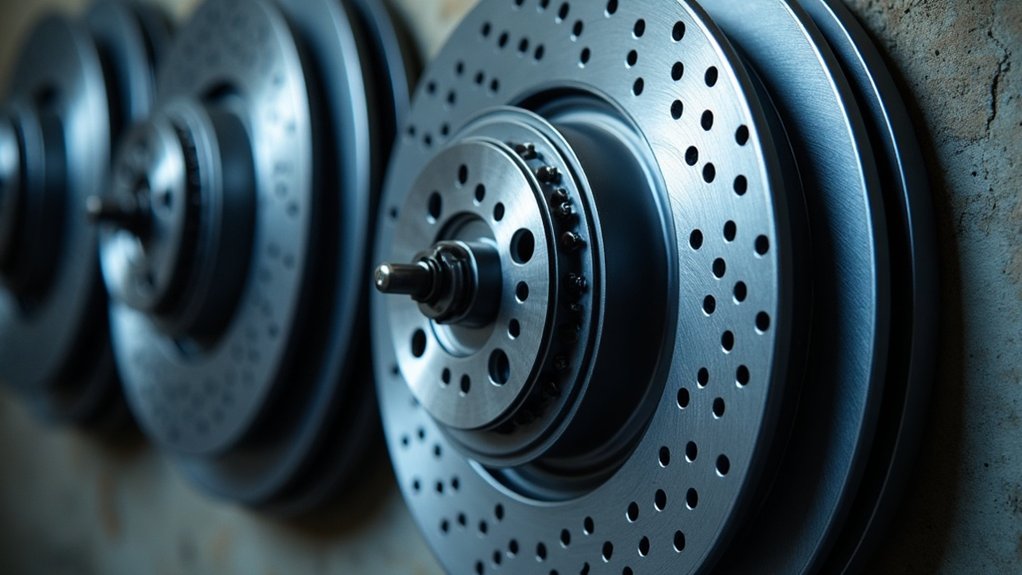
Mechanical disc brakes utilize a cable system, making maintenance straightforward and requiring no specialized tools. While they provide adequate braking performance in dry conditions, they struggle in wet or muddy weather, leading to reduced stopping power.
In contrast, hydraulic disc brakes employ a sealed fluid system that guarantees consistent braking performance across various weather conditions. Though they demand more maintenance and are typically an upgrade for high-performance electric bikes, their superior modulation and stopping power can greatly enhance your riding experience.
Benefits of Upgrading to Hydraulic Brakes
Upgrading to hydraulic brakes offers you a significant improvement in stopping power, especially critical during steep descents or adverse weather conditions.
Upgrading to hydraulic brakes significantly enhances stopping power, crucial for steep descents and challenging weather conditions.
The benefits of hydraulic disc brakes provide a noticeable performance boost over mechanical brakes:
- Powerful stopping force for enhanced safety
- Excellent modulation and control for precise braking
- Less frequent maintenance due to a sealed system
- Self-adjusting mechanism that reduces manual tuning needs
While the overall cost may be higher initially, the long-term advantages in performance and reduced maintenance preferences make hydraulic brakes a worthy investment.
This ensures consistent performance and prevents performance drops during demanding rides.
Performance Differences Between Mechanical and Hydraulic Brakes
The performance differences between mechanical and hydraulic brakes are striking, particularly in demanding riding conditions. Hydraulic brakes deliver superior braking power, especially on steep descents and in wet or muddy environments. Their sealed design enhances modulation and control, allowing for smoother, more precise braking. In contrast, mechanical brakes require frequent manual adjustments due to cable wear. For aggressive riders or those carrying heavy loads, hydraulic brakes provide reliable stopping power and less frequent maintenance. Here’s a quick comparison:
| Feature | Mechanical Brakes | Hydraulic Brakes |
|---|---|---|
| Braking Power | Adequate | Superior |
| Control Over Braking Force | Limited | Enhanced |
| Maintenance Tasks | Frequent adjustments | Less frequent maintenance |
Maintenance Considerations for Both Brake Types
Maintaining your ebike’s brakes is essential for safe and efficient riding, and understanding the differences between mechanical and hydraulic systems can help you choose the right maintenance approach.
- Hydraulic brakes require periodic bleeding to prevent air bubbles.
- Mechanical brakes need regular adjustments for cable tension and pad alignment.
- Maintenance costs for hydraulic systems tend to be higher due to specialized tools.
- Regular inspections are vital; check for fluid leaks in hydraulic brakes and cable wear in mechanical ones.
Upgrading from mechanical to hydraulic brakes can enhance brake performance and decrease maintenance frequency, offering improved reliability and control for your rides.
Evaluating Your Riding Style and Conditions
When considering a switch to hydraulic brakes, it’s crucial to evaluate your riding style and the conditions you typically encounter.
If you ride in steep descents or carry heavy loads, hydraulic disc brakes offer superior stopping power and braking efficiency, enhancing your riding experience.
In wet conditions, their sealed system guarantees consistent performance compared to mechanical disc brakes, which can falter.
Additionally, if you’re adjusting your mechanical brakes often, hydraulic systems reduce maintenance frequency and allow you to better control the braking force.
For budget-conscious riders, weighing these factors will help determine if an upgrade is worthwhile.
Making the Decision to Upgrade
How can you be sure that upgrading to hydraulic brakes is the right choice for your eBike? If you frequently tackle steep or demanding terrains, hydraulic disc brakes provide superior stopping power and modulation.
Consider the following factors before your upgrade decision:
- Inconsistent braking performance in wet or muddy conditions.
- The frequency of maintenance required; hydraulic brakes need fewer adjustments.
- Carrying heavier loads or riding at higher speeds demands better stopping power.
- Weighing the upfront cost against the performance benefits and safety enhancements.
These aspects will guide you in deciding whether hydraulic brakes are a more reliable solution for your cycling needs.