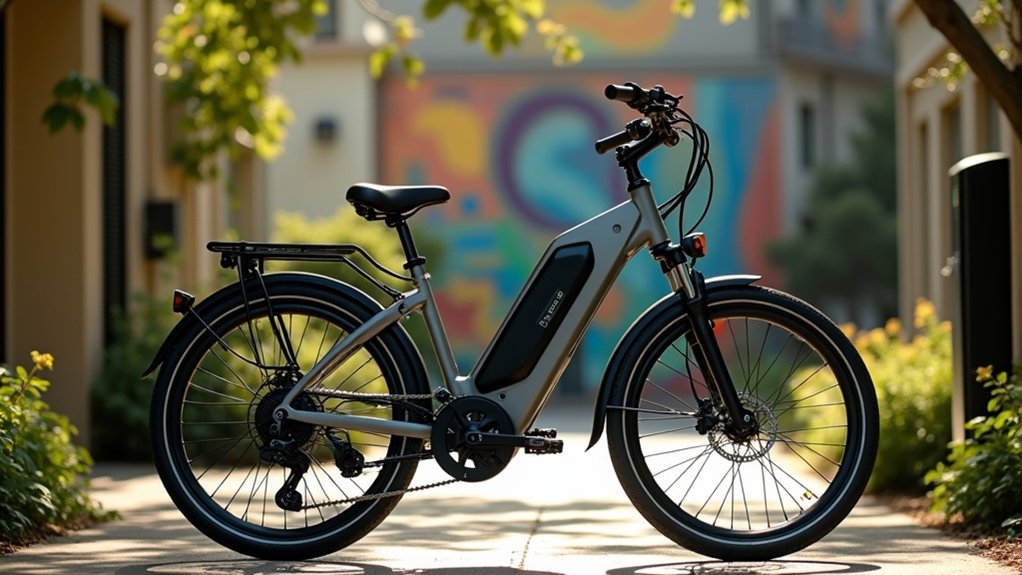
When exploring electric bicycles, you need to know about their classes and types. There are Class 1, 2, and 3 e-bikes, each catering to different needs and speeds. Key features include battery capacity, motor types, and pedal-assist levels, which impact performance. Safety is vital, so always wear a helmet and perform regular maintenance. Understanding these aspects can enhance your riding experience. There’s so much more to discover about e-bikes and how they can fit into your lifestyle.
Key Takeaways
- Electric bicycles are classified into three types (Class 1, Class 2, Class 3) affecting speed, assist features, and legal regulations.
- They come in various types, including commuter, mountain, folding, and performance road bikes, each catering to different riding needs.
- Battery capacity and motor power significantly influence the bike’s range and performance, with 750W being the legal limit in the US.
- Safety gear, including helmets and lights, is essential, and regular maintenance checks are crucial for optimal bike performance and rider safety.
- Understanding local laws ensures compliance regarding e-bike usage, speed limits, and riding areas.
Understanding Electric Bike Classes
When you’re considering an electric bike, understanding the different classes can greatly influence your choice and riding experience.
Class 1 bikes provide pedal-assist mode only, cutting off at 20 mph, making them ideal for urban commuting and widely accepted on bike paths.
Class 1 bikes offer pedal-assist up to 20 mph, perfect for urban commuting and commonly allowed on bike paths.
Class 2 allows for both pedal-assist and throttle control, also maxing out at 20 mph.
In contrast, Class 3 offers faster speeds up to 28 mph but may face legal restrictions on where you can ride.
Knowing these classifications is essential for compliance with legal requirements and for selecting the right e-bike for your needs.
Types of Electric Bikes
While exploring the world of electric bikes, you’ll find that they come in various types, each tailored to specific riding needs and preferences.
Commuter bikes excel for practical transportation, offering comfort and versatility for daily errands. If you’re seeking adventure, mountain bikes use motor power to conquer tough trails and steep inclines.
For convenience, folding bikes are perfect for compact storage, though they might sacrifice some ride quality. Performance road bikes focus on speed and lightweight design, making them ideal for enthusiasts.
Key Features of Electric Bicycles
Electric bicycles come packed with features that enhance your riding experience and cater to diverse needs. The motor power typically ranges from 250W to 1,000W, with 750W being the street legal limit in the US.
Most e-bikes offer multiple levels of pedal-assist, allowing you to manage battery power effectively. Battery sizes vary, with larger capacities providing an extended riding range, essential for hilly terrains.
Integrated LCD displays help you monitor speed, distance, and battery life. Choosing between a mid-drive motor and a hub-drive motor can greatly impact your performance, especially on inclines, ensuring a more natural feel while pedaling.
How to Choose the Right E-Bike
Choosing the right e-bike can greatly enhance your riding experience, making it important to evaluate your specific needs and preferences.
Consider how you’ll use the electric bike—commuting, leisure, or mountain riding—as each type caters to different environments.
Test ride various models to find the right fit and riding position for comfort during longer rides.
Pay attention to battery capacity and motor power, especially if you’ll tackle hilly terrain.
Finally, factor in your budget; quality e-bikes start around $1,000, but options range from $600 to $4,000, so explore financing if needed to find your perfect match.
Battery and Motor Specifications
When you’re choosing an e-bike, understanding battery capacity and motor types is essential for optimizing your ride experience.
A larger battery can greatly extend your range, especially on challenging terrains, while the right motor wattage and torque will enhance your climbing ability.
Let’s unpack how these specifications can elevate your e-biking adventures.
Battery Capacity Impact
Battery capacity plays an essential role in determining the performance and range of your electric bicycle. Measured in watt hours (Wh), a higher battery capacity translates to a longer riding range—typically between 20 to 100 miles per charge.
Factors like terrain and rider weight impact this range, so heavier riders may need larger e-bike batteries. Most batteries range from 5 to 21 amp hours, while dual battery setups offer extended travel and added security for longer journeys.
Charging times generally take three to five hours, but larger batteries could require more time, affecting your riding plans. Choose wisely!
Motor Types Explained
Understanding motor types is essential for maximizing your electric bike’s performance and tailoring it to your riding style.
Hub-drive motors, located in the wheel hubs, provide a smooth ride but may struggle on steep climbs. Conversely, mid-drive motors, positioned at the bottom bracket, offer superior power and torque ratings, enhancing your climbing ability on varied terrain.
With power ranging from 250 to 2,000 watts, it’s vital to choose wisely based on your needs. Remember, torque ratings between 40 N m to 80 N m greatly impact performance, so consider these factors carefully when selecting your e-bike’s motor type.
Safety Considerations for E-Bike Riders
While riding an electric bicycle can be an exhilarating experience, prioritizing safety is essential to guarantee a secure and enjoyable journey. Always wear a helmet to considerably reduce injury risk, and verify your e-bike is equipped with lights for visibility. Familiarize yourself with local regulations regarding helmet use and speed limits. Regularly inspect for mechanical issues like brakes and tire pressure to prevent accidents. Remember, e-bikes can accelerate quickly due to motor assistance, so practice cautious riding, especially in traffic.
| Safety Tips | Importance | Actions to Take |
|---|---|---|
| Always wear a helmet | Reduces injury risk | Use a certified helmet |
| Verify visibility | Increases road awareness | Equip lights and reflectors |
| Know local laws | Legal compliance | Research local e-bike regulations |
| Check mechanicals | Prevents accidents | Regularly inspect your bike |
Maintenance and Care for Your E-Bike
Maintaining your e-bike is essential for peak performance and longevity.
Regular checks on tire pressure, brakes, and battery care can make a significant difference in how your ride feels and functions.
Regular Cleaning Routine
To keep your electric bicycle in prime shape, establishing a regular cleaning routine is crucial. Use a gentle soap solution and a soft sponge to clean your e-bike, avoiding damage to sensitive components.
Pay special attention to the drivetrain, as dirt can lead to poor performance and increased wear; a degreaser works wonders here.
Don’t forget to inspect and clean the brakes to guarantee peak stopping power. Additionally, keep battery contacts clean by wiping them with a dry cloth, maintaining proper electrical connections.
Always dry your e-bike thoroughly after cleaning to prevent rust and damage—especially around electrical components.
Battery Care Tips
Proper battery care is essential for maximizing the performance and lifespan of your electric bicycle. Follow these battery care tips to maintain your lithium-ion batteries effectively:
| Tip | Details |
|---|---|
| Charge Environment | Charge your e-bike in a stable, room temperature setting. |
| Inspect Regularly | Look for damage or swelling to prevent overheating risks. |
| Storage Conditions | Keep the battery in a cool, dry place to enhance battery longevity. |
| Backup Battery | Consider a backup battery for longer rides, especially on hills. |
Tire and Brake Checks
After verifying your battery is in top shape, it’s time to focus on another vital aspect of your electric bicycle: tire and brake checks.
Regular maintenance guarantees peak performance and safety. Here’s what you should do:
- Check tire pressure before each ride to minimize flats and enhance handling.
- Inspect tire tread for wear and damage, especially in wet conditions.
- Examine brake pads and cables; replace worn pads and verify cables are tensioned and fray-free.
Perform a quick brake test before you ride to confirm both front and rear brakes engage smoothly.
Prioritizing these checks keeps you safe on the road!