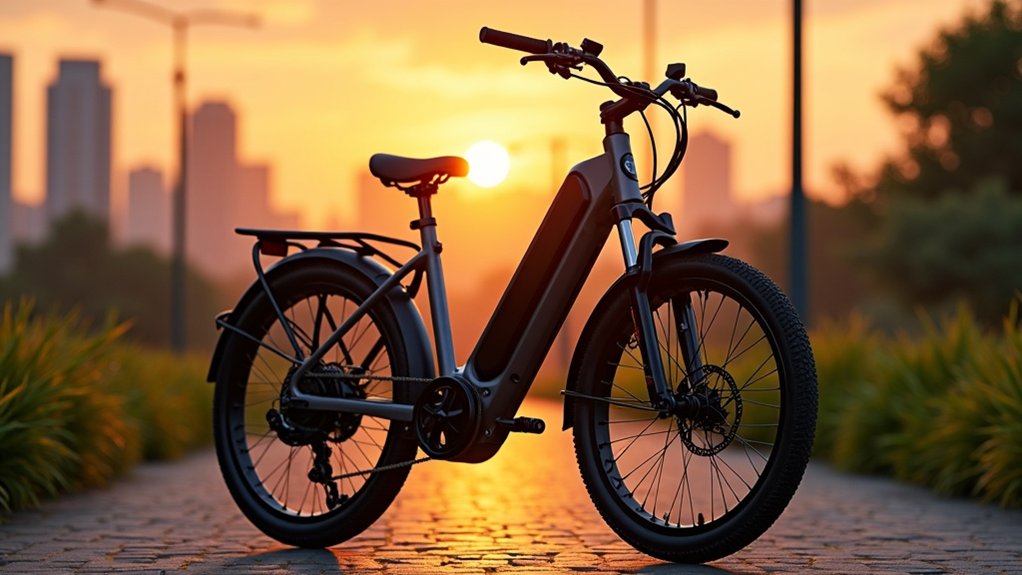
An electric bike, or e-bike, is a bicycle that features an electric motor, giving you extra help while pedaling. This makes your rides smoother and less strenuous, especially on hills. E-bikes come with a battery, and the power kicks in when you pedal, boosting your energy for longer trips. With different classes offering various speeds and assistance options, there’s an e-bike suited for everyone. Want to learn more about their benefits and safety tips?
Key Takeaways
- An electric bike, or e-bike, features an electric motor that assists with pedaling, making biking easier and more efficient.
- E-bikes integrate a battery and hub motor, providing power through pedal-assist or throttle modes.
- There are three classes of e-bikes: Class 1 (pedal assist only), Class 2 (pedal assist and throttle), and Class 3 (higher speed pedal assist).
- Electric bikes can enhance physical activity, accommodate various riding styles, and help reduce urban air pollution.
- Safety guidelines include wearing helmets, understanding local traffic laws, and using visibility gear while riding.
Definition and Functionality
An electric bike, commonly known as an e-bike, revolutionizes the way you think about cycling. It features an electric motor that provides motor assistance, making pedaling easier and more efficient.
E-bikes work by integrating a battery and a hub motor, which activates in different modes, including pedal-assist mode. In this mode, the electric motor offers power only when you pedal, enhancing your cycling experience.
Most e-bikes reach speeds of 20 to 28 mph, depending on the class. With pedal assistance, you can tackle longer distances with less fatigue, making cycling accessible and enjoyable for everyone.
Components of Electric Bikes
When exploring the components of electric bikes, you’ll find that each part plays a vital role in enhancing your cycling experience.
The motor, often a mid-drive for better hill performance, provides the power you need. Your bike’s battery, which typically charges in 5 to 6 hours, supplies energy to the motor.
Sensors, like torque sensors, adjust the level of assistance based on your pedaling force, ensuring a smooth ride.
Finally, display controls keep you informed about assistance levels and battery status, allowing you to ride with confidence.
Together, these components create an efficient and enjoyable electric biking experience.
Classes of Electric Bikes
Electric bikes come in various classes, each designed to cater to different riding preferences and legal requirements.
Class 1 e-bikes offer pedal assist only, stopping assistance at 20 mph.
Class 2 e-bikes provide both pedal assist and throttle-powered modes, also ceasing assistance at 20 mph.
Meanwhile, Class 3 e-bikes assist while pedaling but cut off power at 28 mph.
Local laws can vary considerably regarding where these e-bikes can be ridden, with Class 1 and Class 3 often facing more restrictions than Class 2.
Understanding these classifications helps you navigate your riding options and comply with local regulations.
Benefits of Using Electric Bikes
Using electric bikes can transform your daily commute and overall cycling experience, offering a range of benefits that make them an appealing choice for many riders.
With electric assist, you can travel further without getting exhausted, making short trips more enjoyable and efficient. E-bikes also promote a healthier lifestyle, as studies show users increase their weekly physical activity by 10%.
For those with physical limitations, these bikes provide flexibility to adjust pedal power as needed. Additionally, they contribute to reducing urban air pollution and accommodate various riding styles, allowing you to tackle different terrains with ease while carrying heavier loads.
Safety and Usage Guidelines
When riding an electric bike, always prioritize safety by wearing a helmet and using visibility gear like lights and reflective clothing.
Be sure to familiarize yourself with local traffic laws, including any age requirements and helmet mandates, as these can vary considerably.
Remember to stick to bike lanes and paths whenever possible, treating e-bikes just like traditional bicycles in traffic.
Helmet and Visibility Gear
Riding an electric bike without proper safety gear can greatly increase your risk of injury in an accident. Helmet use is highly recommended, and local regulations may even require it. Visibility gear, like reflective clothing and lights, is essential, especially in low-light conditions. Wearing bright colors during the day and using front and rear lights enhances your visibility. Additionally, carrying a first aid kit and a repair kit promotes rider safety and readiness.
| Gear Type | Purpose | Tips |
|---|---|---|
| Helmet | Protects your head | Guarantee proper fit |
| Reflective Clothing | Enhances visibility | Choose bright colors |
| Lights | Increases nighttime safety | Use front and rear lights |
| First Aid Kit | Addresses minor injuries | Keep it stocked |
| Repair Kit | Fixes minor mechanical issues | Include essential tools |
Local Traffic Laws
Understanding local traffic laws is essential for ensuring your safety and compliance while riding an electric bike. You don’t need a license or registration in the U.S., but following local regulations is vital.
Here are some key points to reflect on:
- Class 1 e-bikes require pedaling for motor assistance.
- Helmet use is often legally mandated—check age requirements.
- Compliance with speed limits is a must.
- Some areas have specific lane restrictions for e-bikes.
- Always use lights and reflective gear for visibility.
Familiarizing yourself with these laws will make your ride safer and more enjoyable.
Riding in Bike Lanes
Maneuvering bike lanes on your electric bike can enhance your riding experience while promoting safety and efficiency. Always check local regulations, as some areas may have specific lane restrictions or age limits for e-bike riders. Compliance with traffic laws is essential; obey signals and signs. Safety recommendations include wearing helmets, using lights for visibility, and donning reflective gear at night. Be mindful of pedestrians and fellow cyclists to guarantee a pleasant ride for everyone.
| Safety Tips | Compliance Requirements | Local Regulations |
|---|---|---|
| Wear a helmet | Obey traffic signals | Check age limits |
| Use bike lights | Follow lane rules | Know helmet laws |
| Be visible at night | Respect pedestrian zones | Verify e-bike type |
Choosing the Right Electric Bike
When you’re choosing the right electric bike, think about how you’ll primarily use it—whether for commuting, leisurely rides, or off-road adventures.
This decision impacts the battery type, motor power, and even the frame design that’ll best suit your needs.
Understanding these factors will help you make an informed choice that enhances your riding experience.
Intended Use Considerations
How can you assure you choose the right electric bike for your needs? Start by considering your intended riding conditions, whether it’s for commuting, leisure, or off-road adventures.
Keep these factors in mind:
- Motor power: Opt for 400W-625W for longer commutes.
- Battery capacity: Confirm it matches your travel distance.
- Bike weight: Lighter bikes are ideal for urban settings.
- Local regulations: Check e-bike rules in your area.
- Mid-drive motor: Consider this for better hill performance and adaptability.
These factors will help you select an electric bike that fits your lifestyle perfectly.
Battery and Motor Types
Choosing the right electric bike goes beyond just understanding your intended use; the battery and motor types play a significant role in performance and overall experience.
Electric bicycles typically utilize Lithium batteries for their lightweight and long range, while Sealed Lead Acid batteries are heavier and less efficient.
When it comes to motors, power ratings range from 200W to over 1,000W, with mid-drive motors offering better handling on hills compared to hub motors, which excel on flat terrain.
Charging times average 5-6 hours, influencing your daily commute or long rides, so consider these factors for the best fit.