Electric bicycles, or e-bikes, are two-wheeled vehicles that improve your cycling experience by integrating electric motors to assist with pedaling. They typically reach speeds between 16 to 28 mph, depending on the model and class. With options like pedal-assist or throttle control, you can choose your riding style. E-bikes also promote efficiency in urban transport while being environmentally friendly. If you’re curious about the various e-bike types and benefits, there’s more to explore!
Key Takeaways
- Electric bicycles (e-bikes) are bicycles equipped with an electric motor to assist with pedaling, enhancing performance and ease of use.
- E-bikes typically reach speeds between 16 to 20 mph, with some high-performance models exceeding 28 mph.
- There are three classes of e-bikes: Class 1 and Class 3 require pedaling for motor assistance, while Class 2 includes throttle-controlled operation.
- E-bikes are categorized as bicycles under local laws, with motor power generally capped at 750 watts for classification purposes.
- Benefits of e-bikes include reduced travel time, increased accessibility, improved health, and a positive environmental impact through lower CO2 emissions.
Definition and Functionality of Electric Bicycles
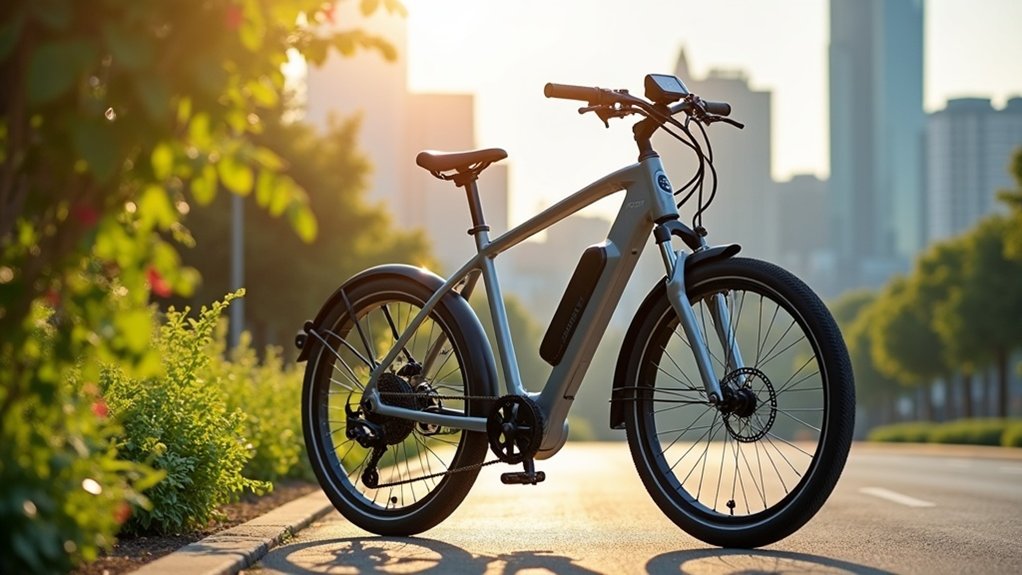
Electric bicycles, commonly known as e-bikes, are innovative modes of transportation that integrate an electric motor to assist with pedaling, enabling you to cover greater distances with less physical effort.
They typically reach speeds between 16 to 20 mph, with some high-performance models exceeding 28 mph. E-bikes fall into two categories: pedal-assist, which requires you to pedal for motor support, and throttle-controlled, allowing propulsion without pedaling.
Local laws often classify e-bikes as bicycles, distinguishing them from mopeds and motorcycles. Many models utilize hub motors, while mid-drive systems offer superior efficiency and hill-climbing capabilities, enhancing your riding experience.
Components of Electric Bicycles
Understanding how electric bicycles operate requires a closer look at their components.
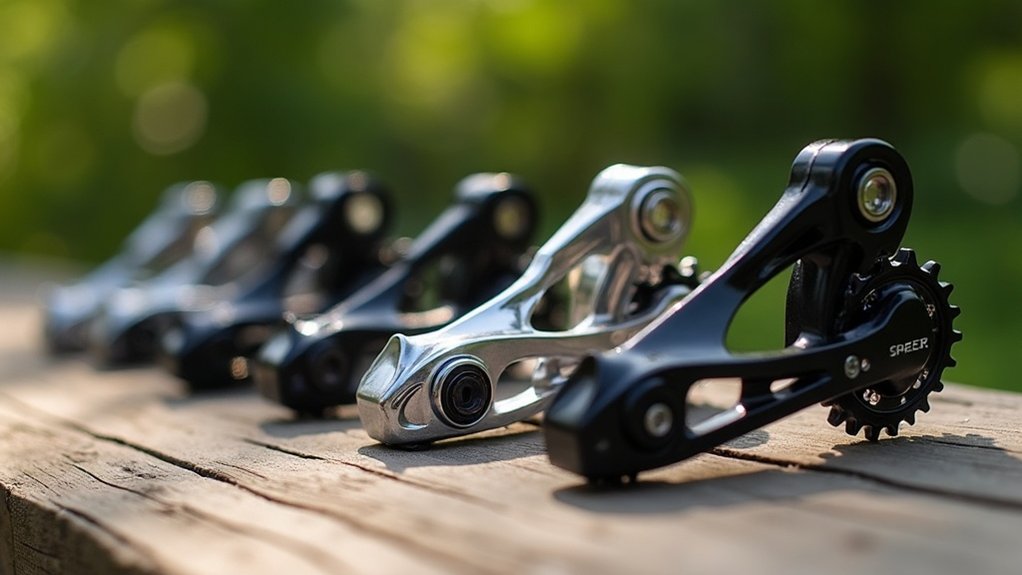
The motor, often a hub motor or mid-drive motor, provides propulsion based on your input, with power ranging from 250W to over 750W.
The motor, whether hub or mid-drive, delivers powerful propulsion from 250W to over 750W, enhancing your ride experience.
The battery has evolved from heavy lead-acid types to lightweight lithium-ion, offering a range of 20 to 80 miles, depending on capacity.
Additionally, the delivery method, such as pedal-assist mode, enhances your pedaling efforts, while throttle control allows for electric-only operation.
Keep in mind that electric bikes typically weigh between 40 to 80 pounds, which affects their performance and handling compared to traditional bicycles.
E-Bike Classes and Regulations
As e-bikes gain popularity, knowing their classifications and regulations becomes essential for riders. Here’s a breakdown of e-bike classes under federal law:
- Class 1 e-bikes: Motor assistance only while pedaling, max speed 20 mph.
- Class 2 e-bikes: Offers pedal-assist and throttle, also stops at 20 mph.
- Class 3 e-bikes: Assists while pedaling, cuts off at 28 mph.
- Motor power: Must have a maximum of 750 watts to be classified as a bicycle.
Always check local laws, as regulations can vary widely, influencing where and how you can ride your e-bike.
Benefits of Electric Bicycles
Electric bicycles enhance your commuting experience by greatly reducing travel time and effort, making urban transportation more efficient.
They also increase accessibility for those with physical limitations or injuries, allowing a broader range of individuals to engage in cycling.
This inclusivity not only promotes healthier lifestyles but also contributes to environmental sustainability by lowering carbon emissions.
Enhanced Commuting Experience
How can electric bicycles transform your daily commute?
E-bikes offer numerous benefits that enhance your commuting experience:
- Cover longer distances with less physical exertion, making short trips convenient.
- Reach speeds of up to 28 mph, reducing commute times considerably.
- Carry heavier loads, such as groceries or work gear, effortlessly.
- Enjoy a healthier lifestyle, with a reported 10% increase in weekly energy expenditure.
Increased Accessibility and Inclusion
While traditional bicycles can be challenging for some individuals, e-bikes greatly enhance accessibility and inclusion in cycling. E-bikes use pedal-assist technology, allowing you to adjust assistance based on your needs, making rides easier and more enjoyable.
They serve as effective mobility devices for those with physical challenges, enabling navigation of hills and headwinds with less strain. Studies show e-bike users experience a 10% boost in weekly energy expenditure, promoting physical activity among various fitness levels.
Health and Environmental Impacts
Using e-bikes not only boosts your weekly energy expenditure but also serves as an effective tool for improving cardiovascular health, particularly for those in rehabilitation programs.
While e-bikes contribute to reducing carbon emissions in urban settings, it’s important to evaluate the environmental impact of electricity generation and battery production.
Additionally, safety analyses show that while e-bike users face serious accidents, they aren’t more likely to be involved in critical traffic incidents compared to traditional cyclists.
Health Benefits of E-Bikes
Electric bicycles (e-bikes) offer a unique blend of health and environmental benefits that can greatly enhance your lifestyle.
Here are some key health benefits:
- Increased Physical Activity: E-bike users report a 10% higher weekly energy expenditure, promoting more active living.
- Accessible Exercise: They provide a low-impact option for those with injuries or excess weight, allowing you to ride at your own pace.
- Cardiac Rehabilitation: E-bikes can play a vital role in cardiac rehab, improving outcomes for patients with heart conditions.
- Mental Health Boost: Cycling outdoors fosters social interaction and enhances your overall well-being.
Environmental Sustainability Considerations
As cities endeavor to reduce their carbon footprints, e-bikes emerge as a compelling solution for sustainable transportation.
These zero-emissions vehicles markedly lower urban CO2 emissions, with studies showing a potential 50% reduction in England through efficient e-bike deliveries.
Additionally, the electric motor of less than 750 watts promotes increased physical activity, enabling users to expend up to 10% more energy weekly.
E-bikes also make exercise accessible for individuals with injuries or excess weight.
However, while safety analyses indicate e-bike users aren’t more prone to critical incidents, increased safety awareness remains essential for ensuring safer riding experiences.
Safety and Accident Statistics
While e-bikes offer a promising alternative for sustainable urban transportation, understanding their safety and accident statistics is essential for both riders and city planners. Here are some key points to reflect on:
- E-bike users aren’t more likely to face critical traffic incidents than traditional cyclists.
- Approximately 53,200 e-bike-related emergency visits occurred from 2017 to 2022.
- E-bike fatalities comprised 45% of all micromobility-related deaths during that period.
- Users report a 10% increase in weekly energy expenditure, enhancing physical activity.
Prioritizing safety measures is crucial to reduce accidents and fatalities, ensuring a safer e-bike experience while promoting environmental sustainability.
Choosing the Right Electric Bicycle
How do you choose the right electric bicycle for your needs?
First, consider the class of e-bike suitable for your intended use—commuting, leisure, or off-road.
Evaluate the motors; a range from 250W to 750W can affect performance, battery capacity, and maximum speed.
Opt for lightweight lithium-ion batteries for longer rides, while reviewing comfort and component quality for a better riding experience.
Don’t overlook the variety of styles available, as your choice should reflect personal preferences and practicality.
Finally, balance your desired features with your budget, ensuring you get a reliable e-bike without overspending.