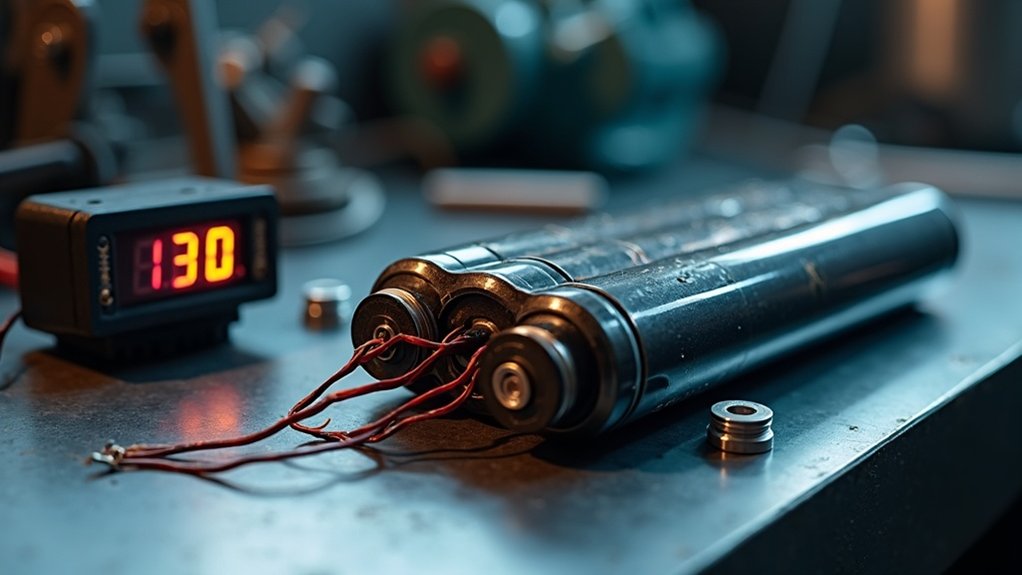
The typical lifespan of e-scooter batteries ranges from 2 to 3 years, depending on your usage habits and charging practices. Most batteries can handle about 300 to 500 full charge cycles before their performance begins to decline. Factors like rider weight, temperature, and charge habits greatly impact longevity. Monitoring these can help you maximize battery life. Want to discover more tips on optimizing your e-scooter battery performance? Keep exploring for expert advice.
Key Takeaways
- E-scooter batteries generally last between 2 to 3 years for regular users.
- Average battery lifespan is around 300 to 500 full charge cycles.
- High-quality lithium-ion batteries can endure up to 1,000 cycles with proper care.
- Frequent riders may need battery replacements every 1 to 2 years.
- Environmental factors and charging practices significantly impact battery longevity.
Understanding Battery Lifespan for E-Scooters
When you understand the lifespan of e-scooter batteries, you can make informed decisions about usage and maintenance.
The average battery lifespan ranges from 300 to 500 full charge cycles, equating to about 2 to 3 years for typical users. High-quality lithium-ion batteries can endure up to 1,000 cycles before experiencing performance drops.
The average e-scooter battery lasts 300 to 500 cycles, or about 2 to 3 years for regular users.
Frequent riders may find themselves needing replacements every 1 to 2 years. Environmental factors, like temperature extremes, and proper charging practices greatly affect longevity.
Regular maintenance and adherence to manufacturer guidelines can help extend electric scooter batteries’ lifespan, ensuring peak performance for longer periods.
Factors Affecting E-Scooter Battery Life
While several factors influence the lifespan of e-scooter batteries, understanding these elements can help you maximize performance and longevity. Key factors include temperature, rider weight, and charging habits.
| Factor | Impact on Battery Life |
|---|---|
| Temperature | Ideal at 20°C (68°F) |
| Rider Weight | Heavier loads drain more power |
| Charging Habits | Charge between 40%-80% |
Maintaining proper charging cycles and avoiding deep discharges are crucial for battery health. By considering these factors, you can greatly enhance your e-scooter’s battery capacity and overall lifespan.
Typical Lifespan in Charge Cycles
Understanding charge cycles is essential for maximizing your e-scooter battery’s lifespan.
Typically, you can expect around 300 to 500 full charge cycles before you notice significant performance drops.
Factors like your charging habits and environmental conditions play an important role in determining how long your battery will last.
Charge Cycles Explained
Electric scooter batteries typically last between 300 and 1,000 charge cycles, a range influenced by factors like usage patterns and battery quality. A charge cycle is defined as charging your battery from 0% to 100%.
Frequent riders may need replacements every 1-2 years.
After about 500 charge cycles, expect a 20% reduction in power capacity, impacting your scooter’s range and performance.
High-quality lithium-ion batteries can achieve 1,000 cycles with proper maintenance, avoiding deep discharges and extreme temperatures.
Understanding these charge cycles is essential for maximizing your electric scooter battery’s lifespan.
Factors Influencing Lifespan
Several factors can greatly affect the lifespan of your e-scooter battery, particularly regarding charge cycles.
Battery life typically ranges from 300 to 500 full charge cycles, but high-quality lithium-ion batteries can reach 1,000 cycles before noticeable performance degradation.
Your charging habits play an essential role; maintaining ideal charging practices—like avoiding complete discharges—can extend lifespan.
Additionally, environmental temperature impacts battery efficiency, while rider weight affects energy demands.
Frequent riders may need replacements within 1-2 years due to increased charge cycles.
Signs Your E-Scooter Battery Needs Replacing
If you notice a significant decrease in your e-scooter’s range, it’s a strong indicator that the battery may be failing.
Additionally, keep an eye out for any visible physical damage, such as swelling or leaks, which necessitates immediate replacement for safety.
Regularly monitoring these signs can help you maintain peak performance and safety in your rides.
Decreased Range Performance
As your e-scooter battery ages, you might notice significant changes in its range performance, which can serve as a clear indicator that it’s time for a replacement.
- A drop in range of over 20% compared to new signifies diminished battery life.
- If your battery drains quickly and struggles to hold a charge, it indicates reduced capacity.
- Regular performance issues, like voltage sag or decreased power output, suggest the battery cells are deteriorating.
These signs collectively indicate that your battery’s lifespan is nearing its end, and replacing it will restore peak performance and riding experience.
Visible Physical Damage
When you notice visible physical damage to your e-scooter battery, it’s essential to act quickly, as this often indicates a serious issue that could compromise both performance and safety. Signs such as swelling, bulging, or leaks require immediate battery replacement. Cracks or dents in the battery casing can lead to safety hazards and poor battery performance. Regular inspections for wear and tear can help identify these issues early. If you experience a rapid decrease in range or notice strange odors, these may signal internal damage, making replacement critical for safe operation.
| Damage Type | Action Required | Safety Risk |
|---|---|---|
| Swelling/Bulging | Immediate Replacement | High |
| Cracks/Dents | Inspect & Replace | Moderate |
| Leaking Fluids | Immediate Replacement | High |
| Strange Odor | Inspect & Replace | Moderate to High |
| Excessive Heat | Immediate Replacement | High |
How to Prolong the Lifespan of Your E-Scooter Battery
To guarantee your e-scooter battery lasts as long as possible, it’s essential to follow a few key practices.
- Charge the battery frequently, keeping it between 20% and 80% to enhance battery life and minimize stress from charge cycles.
- Store the battery in a cool and dry place, ideally between 10°C and 25°C, to prolong the lifespan and prevent degradation.
- Use the correct charger specified by the manufacturer to maintain proper voltage and current, ensuring ideal condition and energy consumption.
Regular inspection for signs of damage, like swelling or leaks, can also prevent costly replacements.
Best Practices for Charging and Storage
Proper charging and storage practices are essential for maximizing your e-scooter battery’s lifespan.
Always charge the battery fully before long-term storage, but maintain it around 50% charge to prevent deep discharge. Use the manufacturer’s specified charger during the charging process to avoid damaging the battery.
Store the scooter in a cool, dry environment with stable temperatures, ideally between 20°C and 25°C, to minimize degradation risks. Avoid charging in direct sunlight or extreme temperatures, which can harm battery health.
Finally, unplug the charger once the battery reaches full charge to prevent overcharging, thereby extending your battery life.
Common Mistakes That Shorten Battery Life
Neglecting to follow best practices can lead to common mistakes that greatly shorten your e-scooter battery’s lifespan.
Here are significant errors to avoid:
- Fully draining the battery stresses cells, reducing longevity.
- Exposing the battery to extreme temperatures affects performance and overall health.
- Using the wrong charger can cause damage and safety risks.
To maintain peak performance, always recharge before reaching 0%, store your battery in a temperature-controlled environment, and verify you’re using the correct charger.
Regular maintenance is essential to detect issues early, preserving battery health and extending its charge cycles.
Prioritize these practices for a longer-lasting battery.