To track unusual noises from motors, you’ll want to start with inspections of brakes, suspension, and steering components. Listen for specific sounds: grinding might indicate worn brake pads, while clunking can signal suspension issues. Assess the serpentine belt for wear and check power steering fluid levels. Pay attention to changes in noise volume or pitch when accelerating or turning. Addressing these noises early boosts vehicle performance and safety—keep going to explore more effective diagnostic techniques.
Key Takeaways
- Start by identifying the type of noise: grinding, clunking, or whining, as each indicates different mechanical issues.
- Inspect related components such as belts, axles, and mounts for wear or damage, as they often contribute to unusual sounds.
- Listen closely during different driving conditions, like acceleration or turning, to pinpoint when noises occur and their potential causes.
- Conduct visual inspections of the engine and surrounding parts while the vehicle is off to check for loose fittings or rust.
- Keep records of noises and maintenance checks to track patterns over time and inform repair decisions.
Identifying Brake Noises
When you hear unusual noises coming from your brakes, it’s important to identify the source quickly to prevent further damage.
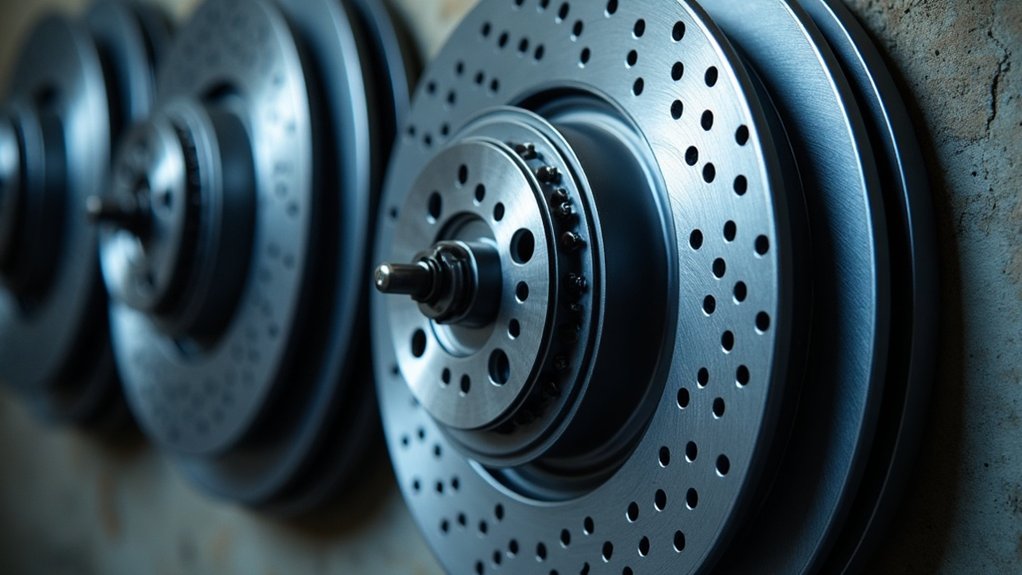
A grinding noise often indicates low or worn-out brake pads, where the metal backing makes contact with the rotors. Brake pads are designed with a built-in indicator that emits a squeaking sound when replacement is needed, serving as an early warning.
To accurately diagnose brake noise, remove the wheel for a thorough inspection of the brake pads and rotors.
For precise brake noise diagnosis, it’s essential to remove the wheel and inspect the brake pads and rotors thoroughly.
Prompt brake maintenance is vital, as continuous grinding can lead to rotor damage and more extensive repairs.
Diagnosing Engine and Steering Noises
When diagnosing engine and steering noises, focus on inspecting the serpentine belt for any signs of wear, as this can prevent significant engine damage.
You should also check the power steering fluid levels and look for air bubbles, which can indicate potential system issues.
Understanding these common sounds helps you maintain peak vehicle performance and avoid costly repairs.
Belt Inspection Techniques
To effectively diagnose engine and steering noises, you should start with a thorough inspection of the serpentine belt, as its condition plays an essential role in overall vehicle performance.
Look for signs of fraying, splitting, or cracks, which can lead to unusual sounds like chirping or squealing. Check the belt tension by attempting to turn it more than 90 degrees; if it turns easily, it may be too loose.
While the engine runs, listen for distinctive noises that indicate a need for further inspection. If squealing persists, examine the tensioner and pulleys for wear or malfunction.
Power Steering Fluid Check
Checking the power steering fluid is crucial for diagnosing engine and steering noises, as low fluid levels can lead to significant performance issues.
First, locate the reservoir and inspect the fluid level—ensure it meets the recommended mark. Low power steering fluid often causes unusual noises like groaning or whining when you turn the steering wheel, indicating the system’s struggle.
Additionally, examine the fluid’s condition for air bubbles, which signal potential contamination that could harm the power steering pump.
Regular monitoring of the power steering fluid is essential to maintain a responsive steering system and prevent costly repairs.
Common Engine Sounds Analysis
Understanding common engine sounds is essential for diagnosing potential issues before they escalate into serious problems.
A rattling sound, particularly near the exhaust system, may indicate a loose catalytic converter or damaged heat shield.
Additionally, chirping or squealing noises often point to worn serpentine belts, requiring inspection for tension and wear.
If groaning or whining occurs while turning the steering wheel, check the power steering fluid levels, as low fluid or air leaks can signal imminent failure.
Address these noises promptly to avoid more significant mechanical issues that could arise from neglecting these early warning signs.
Analyzing Wheel and Suspension Noises
When you hear unusual sounds from your vehicle, particularly during acceleration or while steering through turns, it’s essential to analyze the source of these noises, as they can indicate underlying mechanical issues.
Always start by inspecting your tires for wear, baldness, or bulging—these are often the first sign of trouble. Clicking sounds during hard turns may signal a failing CV axle, while groaning at high speeds often points to wheel bearing problems.
If you hear clunking over rough roads, check stabilizer links. Let it cool down before inspecting components to avoid burns or additional damage.
Regular monitoring guarantees safety.
Understanding Suspension Issues
When you hear unusual sounds from your suspension, it’s essential to identify their source to prevent further damage.
Clicking during sharp turns could mean a failing CV axle, while clunking noises on rough roads often point to worn sway bar links.
Regular inspection of these components will help you maintain peak vehicle performance and safety.
Common Suspension Noises
Suspension issues can manifest through various unusual noises that may signal underlying problems with your vehicle’s components. Clicking sounds during hard turns might help indicate a failing CV axle, essential for power transmission. Inspect the rubber boot for cracks; damage can lead to grease loss and axle failure. Sway bar links also create noise; worn links rotate easily and can show signs of wear. Regular inspections of these parts can help prevent safety hazards.
| Noise Type | Potential Issue |
|---|---|
| Clicking | Failing CV axle |
| Clunking | Worn sway bar links |
| Rattling | Loose suspension components |
| Thumping | Damaged struts or shocks |
Diagnosing Sway Bar Links
To effectively diagnose sway bar links, you need to pay attention to their condition and functionality since they play an essential role in stabilizing your vehicle during turns.
Start by rotating the links on their pivot points; a worn link will turn easily by hand, signaling potential failure. Inspect for visible signs of wear, bending, or damage, as well as loose bolts that could compromise their effectiveness.
Replacement usually involves removing a nut on each end, often without wheel removal, making repairs easier. Regular inspections are vital, as faulty links can cause clunking noises and impact handling and safety.
CV Axle Inspection
CV axle inspection is essential for maintaining your vehicle’s performance and safety, as these components directly connect the gearbox to the wheels. You should regularly check for cracks in the rubber boot, as this can lead to grease leakage. Significant play in the axle shaft indicates potential failure, necessitating immediate attention. Assess the ease of movement at pivot points; a worn link will turn too easily.
| Inspection Area | Key Signs |
|---|---|
| Rubber Boot | Cracks or splits |
| Axle Shaft Movement | Excessive play |
| Pivot Points | Excessive ease of movement |
Regular maintenance helps prevent noise issues.
Recognizing Exhaust Noises
Recognizing exhaust noises is essential for maintaining your vehicle’s performance and safety. Identifying these sounds can prevent serious issues down the line.
Recognizing exhaust noises is crucial for your vehicle’s performance and safety, helping to prevent future complications.
Here are key factors to take into account:
- A louder engine noise may signal an exhaust leak.
- Rust on pipes or mufflers can create holes, amplifying sound.
- Inspect the exhaust system while the engine runs, but prioritize safety due to heat.
- Buzzing sounds at certain RPMs indicate possible loose exhaust shields.
- After cooling, examine for failing gaskets or loose fittings that contribute to unusual noises.
Stay vigilant; addressing these issues promptly enhances your vehicle’s reliability.
Inspecting for Loose Exhaust Shields
Exhaust noises often point to specific issues within the system, and one common culprit is loose exhaust shields.
To inspect for these, examine the metal shields above the exhaust pipes for bending, rust, or debris like rocks. You can replicate the noise by gently banging on the shields to check for looseness or damage.
Pay close attention to rust or loose fittings, as they can exacerbate noise and indicate potential exhaust system problems.
Regularly inspecting exhaust shields not only helps prevent further damage but also reduces noise-related issues, ensuring your motor operates quietly and efficiently.
Locating Exhaust Leaks
How can you effectively pinpoint exhaust leaks in your vehicle’s system? Start by employing these techniques:
- Listen for louder engine noises before they reach the muffler.
- Inspect for rust on pipes and the muffler, and check failing gaskets.
- Run the engine and look for escaping exhaust fumes in the cabin.
- Visually examine the exhaust system when it’s cool, and recheck after running the engine for changes.
- Note specific RPM levels where buzzing sounds occur, typically around 1,500 RPM.
General Insights on Vehicle Noise Management
Addressing exhaust leaks is just one aspect of managing the various noises that can arise from your vehicle. Being aware of different sounds can help you identify potential issues early. Here’s a quick reference to common noises and their implications:
| Noise Type | Possible Issue |
|---|---|
| Screeching | Worn-out brake pads |
| Chirping/Squealing | Loose or worn serpentine belts |
| Groaning | Wheel bearings or tire problems |
| Clicking | Failing CV axles or sway bar links |
Regular monitoring and timely inspections can prevent further damage and enhance your vehicle’s safety and performance.