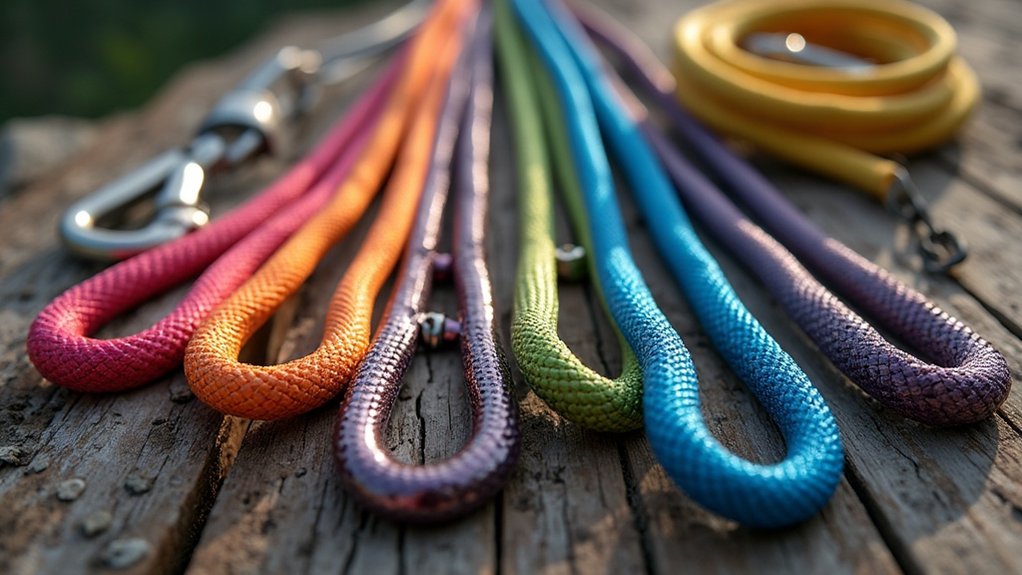
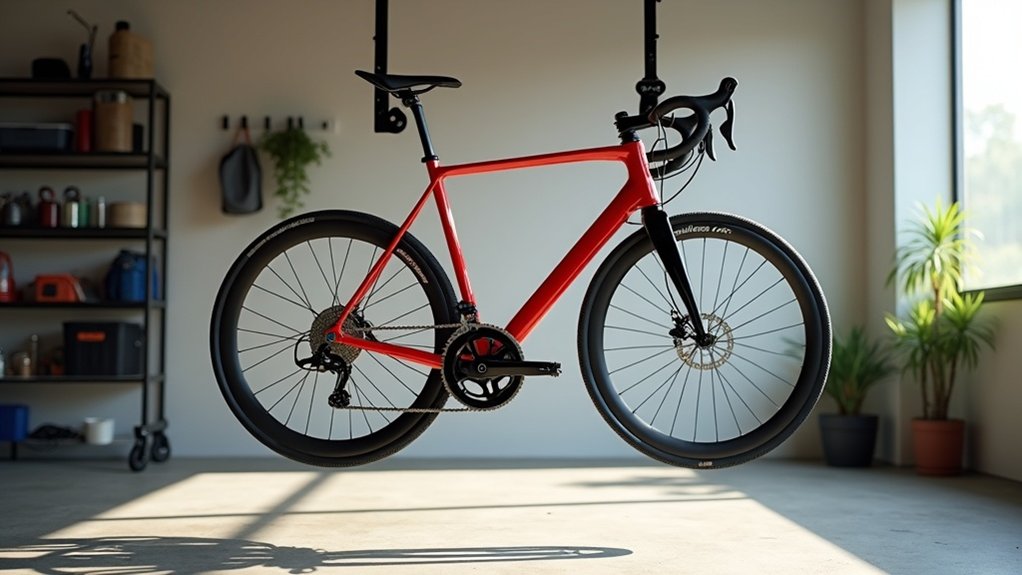
To store your bike vertically without kinking cables, route the cables along the frame, avoiding sharp bends. Use a bike rack designed to support the frame, not the cables, such as models with adjustable arms. Secure loose cables with ties or Velcro straps, and make sure there’s enough slack to prevent tension. Regular inspections for wear are vital. By implementing these techniques, you’ll enhance your bike’s longevity and performance. Discover more effective storage solutions and maintenance tips for best results.
Key Takeaways
- Use bike wall mounts that support the frame, avoiding direct contact with cables to reduce kinking risk.
- Route cable housing along the bike frame, ensuring there are no sharp bends or pressure points.
- Opt for vertical racks with adjustable arms that allow hanging bikes by the frame for better cable management.
- Secure loose cables with cable ties or Velcro straps, ensuring they are organized and free from tension.
- Regularly inspect cables for wear and use cable protectors to shield them from abrasions during storage.
Understanding Cable Mechanics in Vertical Storage
When you store your bike vertically, it’s crucial to understand how cable mechanics can impact performance. Kinking cables can hinder shifting and braking efficiency.
Storing your bike vertically requires attention to cable mechanics to ensure optimal shifting and braking performance.
Use bike wall mounts or hooks that support the frame, not the cables, to prevent undue tension. Make sure you route cable housing away from contact points, avoiding pressure that could lead to kinks.
Regularly inspect cable housing for wear, signaling potential pinching. Consider cable guides or clips to secure loose cables against the frame, maintaining organization and minimizing kinking risks during vertical bike storage.
Proper management of cables guarantees peak performance and longevity.
Choosing the Right Vertical Bike Rack
How can you guarantee your bike remains in ideal condition while stored vertically?
Choose vertical bike racks that facilitate proper cable routing along the frame, preventing kinks. Look for models with adjustable arms or hooks to accommodate various bike designs, ensuring that cables aren’t pinched.
Opt for racks that allow hanging bikes by the frame; this reduces stress on cables and maintains their natural position. Additionally, select racks with rubber-coated hooks to minimize wear and abrasion on your bike’s cables, especially important for those with hydraulic brakes or specific bike cable configurations.
Proper selection protects your investment.
Best Practices for Cable Management
To keep your bike cables in top condition while storing it vertically, you need to route them properly.
Use cable organizers to secure cables away from potential pinch points, minimizing the risk of kinks.
Regularly check for wear to guarantee safe and efficient operation.
Proper Cable Routing
Proper cable routing is essential for maintaining your bike’s performance, especially when storing it vertically.
Follow these best practices to prevent kinks and guarantee optimal function:
- Route cables along the frame to avoid sharp bends that can damage them.
- Use cable ties or Velcro straps to secure loose cables, keeping them organized during storage.
- Confirm cables have enough slack to avoid excessive tension, preventing stress and fraying.
Regularly inspect cables after vertical storage for wear, as improper routing can lead to deterioration and performance issues.
Keeping your cables in check will enhance your bike’s longevity and reliability.
Use Cable Organizers
Using cable organizers is an important step in ensuring your bike’s cables remain tidy and functional while stored vertically.
Utilize clips or sleeves to secure loose cables along the bike frame, preventing tangling or kinking. Opt for cable ties or Velcro straps to keep them clear of moving parts, reducing the risk of damage.
Choose flexible organizers that allow for easy adjustments, essential for maintaining ideal condition. Regularly inspect cables for wear, repositioning them as needed to avoid interference with brake or shifting mechanisms, which is critical for performance and safety during your rides.
Installation Tips for Cable-Friendly Bike Racks
When installing a cable-friendly bike rack, it’s essential to choose designs that protect your bike’s cables from being pinched or kinked.
Here are some tips to guarantee proper installation:
- Opt for a wall-mounted bike rack with hooks designed to avoid cable damage.
- Verify enough clearance for your bike wheels to hang freely without tension on the cables.
- Use adjustable positioning to customize height and angle, accommodating your bike’s unique cable routing.
Preventing Cable Damage During Storage
To prevent cable damage during vertical storage, focus on proper cable routing techniques that keep cables aligned with the bike frame.
Incorporate cable protectors to shield against potential abrasions and kinks.
Finally, don’t forget regular maintenance checks to identify any wear before it turns into a bigger issue.
Proper Cable Routing Techniques
Guaranteeing proper cable routing is essential for preventing damage during vertical bike storage. By following these techniques, you can keep your cables safe:
- Route cables along the frame to avoid bending and kinking.
- Use cable ties or Velcro straps to secure loose cables, minimizing tangling and pinching.
- Ascertain hydraulic brake lines maintain a gentle curve, avoiding twists that can lead to air bubbles.
If using a wall-mounted rack, position the bike so cables hang freely, preventing compression against sharp edges.
Regularly inspect cable housing for wear, guaranteeing your bike remains functional and safe for use.
Using Cable Protectors
Proper cable routing techniques serve as a foundation for maintaining cable integrity, but adding cable protectors takes protection a step further.
Using cable wraps or sleeves around your bike’s cables provides a cushioned barrier, preventing kinking and damage during vertical storage. These protectors, made from flexible materials like neoprene or silicone, offer impact absorption and reduce friction, minimizing cable wear.
For effective cable management, secure cables with ties or clips along the frame to keep them straight. Additionally, consider a vertical bike storage system with integrated cable management features to guarantee that your cables stay untangled and protected.
Regular Maintenance Checks
While you might think your bike is safe during vertical storage, regular maintenance checks are vital to prevent cable damage. Inspect your cables routinely for signs of wear or fraying, as improper storage can lead to kinks that affect performance.
Focus on these key tasks:
- Make sure cables aren’t twisted or pinched during vertical storage.
- Use cable guides or clips to secure cables along the frame.
- Perform a functional check of brakes and gears after storage.
Maintaining Brake Functionality After Vertical Storage
To maintain ideal brake functionality after storing your bike vertically, it’s important to address any potential issues that may arise during the process.
Before riding, pull the brake levers to resolve any spongy feel caused by air bubbles. Verify your bike is hung using well-designed mounts, which stabilize it and minimize movement, preventing undue stress on the brake cables.
Regularly inspect the cables for signs of wear or damage, as improper securing during vertical storage can lead to strains.
Solutions for Storing Heavy E-Bikes Vertically
Storing heavy e-bikes vertically requires careful consideration to prevent damage to cables and components. To effectively store your bike, consider these solutions:
Storing heavy e-bikes vertically needs careful planning to protect cables and components from damage.
- Use wall mounting bike racks or hooks designed for easy access, minimizing lifting strain.
- Pull back the brake lever while rolling the bike towards the hook to secure it safely.
- Verify hooks are rubber-coated to protect against damage while hanging by the front wheel.
Regularly check cable routing to avoid tension or sharp bends that can lead to kinking.
Proper vertical storage techniques will help maintain the integrity of your heavy e-bikes over time.
Enhancing Bike Longevity Through Proper Storage Techniques
Proper bike storage techniques not only preserve the integrity of your bike’s components but can also greatly extend its lifespan.
Utilizing vertical storage solutions, like a wall-mounted bike rack, minimizes cable wear by preventing sharp bends that cause kinking. Keeping your bike upright enhances oil retention in suspension forks, essential for hydraulic brake functionality. This method reduces friction and stress compared to horizontal storage, further promoting longevity.
Regularly checking and adjusting cable tension before storage can also help maintain integrity, ensuring your bike remains in ideal condition for years to come.
Prioritize these techniques for the best results.