To prepare a commuter kit for emergencies, start by selecting a durable, waterproof backpack with multiple compartments. Pack essential supplies like a first aid kit, flashlight with extra batteries, and non-perishable snacks. Don’t forget to include at least one gallon of water per person for three days. Tailor your kit to your needs, adding medications or personal items. Regularly check and update your kit to guarantee everything’s in good condition. There’s more to reflect on for ideal preparedness.
Key Takeaways
- Choose a durable, waterproof bag with multiple compartments for organizing supplies and easy carrying during commutes.
- Pack essential items like a first aid kit, flashlight, non-perishable snacks, and a mobile phone charger.
- Store at least one gallon of water in food-grade containers for hydration during emergencies.
- Incorporate items tailored to your commuting needs, such as medications, chargers, or baby supplies.
- Regularly check and update your kit every six months to ensure all items are fresh and functional.
Selecting the Right Bag for Your Commuter Kit
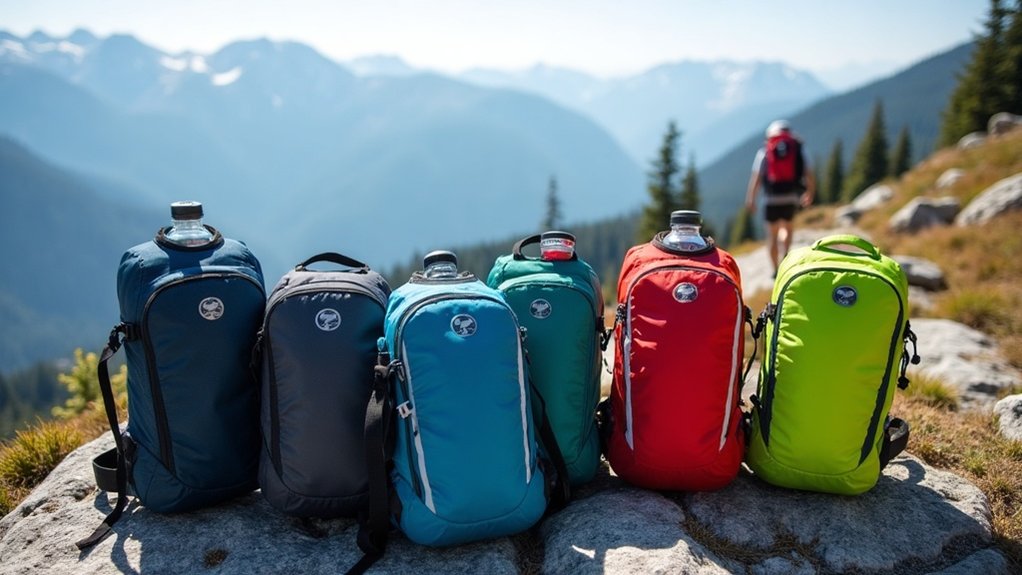
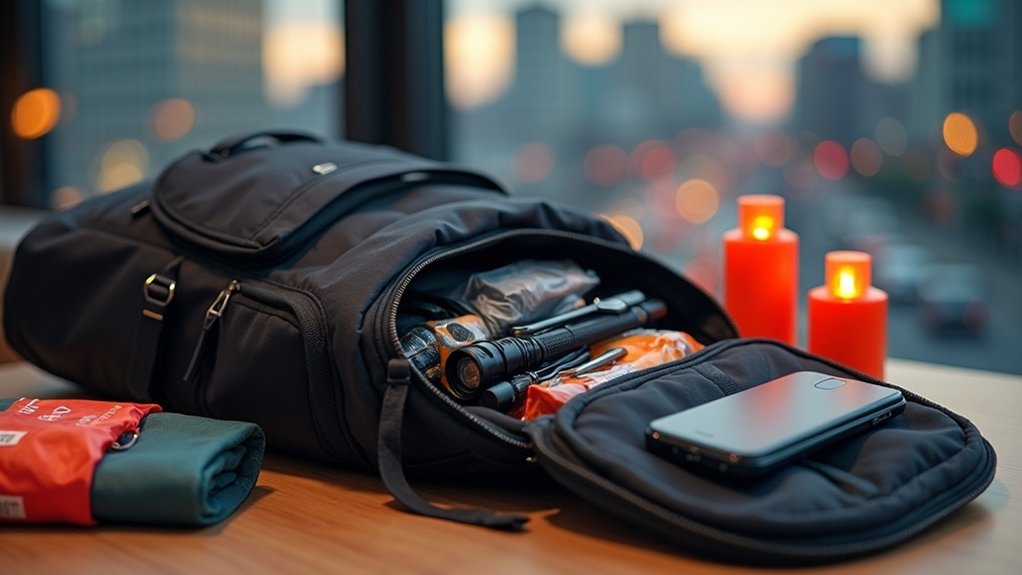
When you’re putting together a commuter kit for emergencies, selecting the right bag is essential. Choose a durable, waterproof bag to protect your supplies from moisture damage.
A medium-sized backpack or tote is ideal; it’s easy to carry and offers enough space without being bulky. Look for multiple compartments to keep your emergency kit organized, allowing for quick access during stressful situations.
Bright colors or reflective strips enhance visibility in low-light conditions, increasing safety. Finally, padded straps provide comfort, especially if you need to carry it for long distances.
Your bag is the foundation of your emergency preparedness.
Essential Supplies for Your Kit
When packing your commuter kit, start with basic emergency supplies that can help you in various situations.
Consider seasonal factors, like extra blankets for winter or sunscreen for summer, to tailor your kit to the time of year.
Having these essentials ready can make a significant difference when you’re caught in an unexpected emergency.
Basic Emergency Supplies
A well-prepared commuter kit should include at least five essential emergency supplies to assure you’re ready for unexpected situations. Your emergency plan should incorporate these items:
| Essential Supplies | Purpose |
|---|---|
| First Aid Kit | Treats minor injuries or ailments |
| Flashlight & Batteries | Guarantees visibility in low-light areas |
| Non-Perishable Snacks | Maintains energy if stranded |
| Mobile Phone Charger | Keeps you connected and informed |
Seasonal Considerations
Seasonal changes can significantly impact your commute, so it’s crucial to tailor your emergency kit to address these variations.
In winter, include a blanket, ice scraper, and shovel to manage snow and freezing temperatures. For summer, pack sunblock and insect repellent to shield against sunburn and pests.
During rainy weather, a poncho and waterproof gear will help you stay dry and mobile. In extreme temperatures, verify you have extra coolant and windshield washer fluid to avoid overheating or visibility issues.
Regularly assess your kit and adapt its contents based on local climate conditions and seasonal considerations for superior emergency preparedness.
Importance of Water and Non-Perishable Snacks
In an emergency, staying hydrated is essential, so make sure you pack at least one gallon of water per person for three days.
Non-perishable snacks like granola bars and nuts offer quick energy when food options are scarce.
Regularly check these supplies to keep them fresh and ready for use when you need them most.
Hydration During Emergencies
While emergencies can strike unexpectedly, staying hydrated is essential for your well-being.
It’s important to store at least one gallon of water per person per day for a minimum of three days in your commuter kit. Use food-grade plastic containers or heavy-duty reusable bottles, and remember to replace the water every six months to maintain safety.
Alongside water, pack non-perishable snacks like energy bars, nuts, and dried fruits. These provide necessary sustenance when access to food is limited.
In emergencies, effective hydration is critical, as you can only survive a few days without water.
Stay prepared and prioritize hydration during emergencies.
Quick Energy Sources
Quick energy sources are essential during emergencies, and having them readily available can make all the difference. Store at least one gallon of water per person per day for three days.
Non-perishable snacks like granola bars, nuts, and dried fruits provide quick energy and are easy to stash. Rotate these items regularly, marking dates on containers to guarantee freshness. Keep everything in airtight, pest-resistant containers to maintain quality.
A balanced mix of high-energy snacks will sustain your energy levels when food access is limited or delayed. Prepare your commuter kit with these essentials to stay ready and energized.
First Aid Kit Essentials
A well-stocked first aid kit is essential for any commuter, ensuring you’re prepared for minor injuries on the go.
Include sterile dressings, adhesive bandages in various sizes, and cleansing agents to prevent infections. Pack over-the-counter medications like Aspirin for pain relief, along with any prescribed medications you may need.
Don’t forget two pairs of disposable gloves for hygiene when treating injuries. Add burn ointment and antiseptic wipes for effective wound management.
Regularly check and restock your first aid kit to keep all items within their expiration dates and in good condition for emergencies. Being prepared can make all the difference.
Preparing Go-Kits for Quick Evacuations
When emergencies strike, having a well-prepared Go-Kit can make all the difference in a swift evacuation.
Start by packing essential items: one gallon of water per person per day, non-perishable food, a flashlight with extra batteries, a first aid kit, and personal identification.
Create one Go-Kit per person, ensuring they’re easily accessible and known to all family members. Tailor each Go-Kit to individual needs, adding medications, baby supplies, or pet food.
Don’t forget a portable phone charger and a local map.
Regularly check and update your kits every six months to keep them ready for any situation.
Regular Maintenance and Updates for Your Kit
To guarantee your commuter kit remains effective, it’s essential to regularly maintain and update its contents.
Check your kit every six months to confirm all items are present and in good condition. Replace expired food, medications, or batteries to keep your kit ready for emergencies.
Make sure tools like flashlights and chargers are functioning properly and easily accessible. Don’t forget to update your emergency contact information and any personal details regularly.
Tailor your kit based on changes in your needs or local situations to ensure it remains relevant and useful when you need it most.