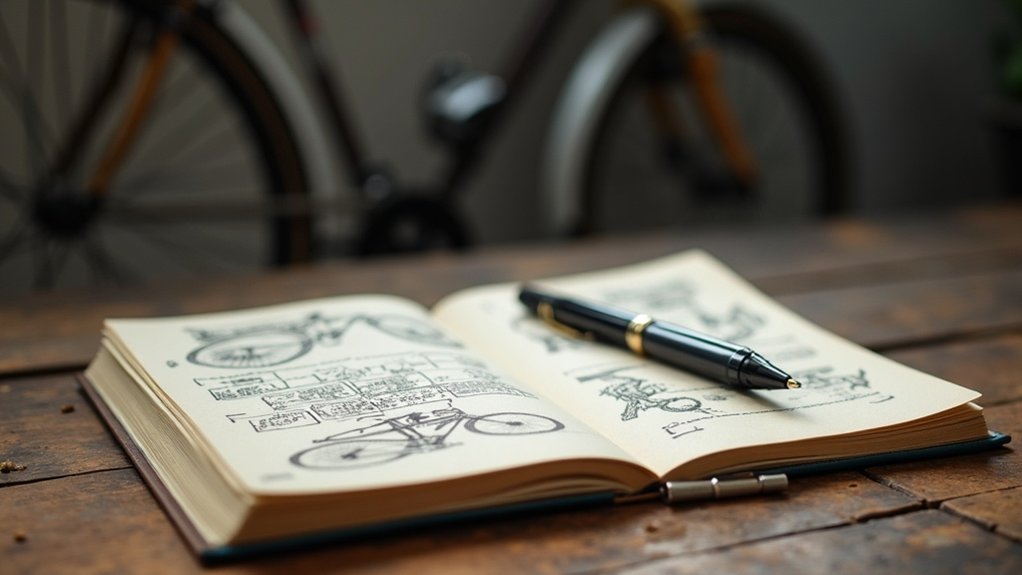
To keep a ride journal for troubleshooting, start by capturing date, time, location, and weather conditions. Note your horse’s mood and performance, and detail specific exercises performed. Record any challenges faced and your horse’s reactions. Analyze these entries over time to spot patterns and improve. Incorporate your instructor’s feedback to set targeted goals. This process not only sharpens your skills but also helps you understand your horse better—there’s more to explore for even deeper insights.
Key Takeaways
- Record essential ride details including date, time, location, and weather conditions for context.
- Document the horse’s mood, performance, and behavior during rides to identify patterns.
- Note specific exercises performed and any challenges faced, along with the horse’s reactions.
- Incorporate feedback from instructors to gain insights and set troubleshooting goals.
- Regularly review past entries to identify recurring issues and adapt future goals for improvement.
Essential Information to Document
When you document your rides, it’s essential to capture important details that can shed light on your horse’s performance. Keeping track of the date, time, location, and weather conditions is significant, as these factors can influence your horse’s mood and overall performance.
You should also record the specific exercises performed, noting any challenges and your horse’s reactions. It’s important to keep feedback from your instructor in mind, ensuring you don’t lose valuable insights.
Analyzing Ride Performance
Analyzing ride performance is a vital step in understanding your horse’s development and refining your training approach.
Start by recording specific ride details like the date, weather, and your horse’s behavior. Document both successes and challenges, noting exercises performed and responses. This information allows you to analyze patterns over time, revealing improvements or areas needing attention.
Incorporate feedback from your instructor to assess performance and set clear troubleshooting goals. By reflecting on these observations, you can create targeted practice plans that will enhance your horse’s performance.
Regular analysis helps you adjust and improve your training strategy effectively.
Identifying Recurring Issues
How can you effectively pinpoint recurring issues in your riding sessions? Start by keeping a detailed log of specific challenges, like difficulties with canter collection or lateral movements.
Make sure to note the context, including weather, your horse’s mood, and the tack used. This information can help keep track of potential influencing factors.
Use a consistent format for entries to easily compare issues and categorize them. Additionally, record feedback from instructors, as their insights can reveal underlying causes.
Regularly review past entries to identify trends, enabling you to adjust your training strategies for better outcomes.
Maintenance and Repair Logs
Keeping track of your riding experiences isn’t just about identifying recurring issues; it also involves maintaining your gear for peak performance.
Create a maintenance and repair log to guarantee everything’s in top shape. Documenting these details helps you stay organized and prepared.
- Record dates, descriptions, and solutions for repairs.
- Track maintenance frequency, like saddle cleaning and bridle checks.
- Note any changes in equipment behavior during rides.
Setting Future Goals for Improvement
As you reflect on your riding experiences, setting clear and achievable goals for improvement becomes essential for your growth as a rider. Start by identifying specific challenges and create a detailed practice plan. Set a timeline to achieve these goals, breaking them into manageable milestones. Document small wins in your ride journal to maintain motivation and celebrate progress. Regularly review your past entries to adapt future goals based on what you’ve learned.
| Goal Type | Action Steps |
|---|---|
| Improve Canter | Focus on changes |
| Master Lateral | Incorporate exercises |
| Build Confidence | Celebrate small wins |