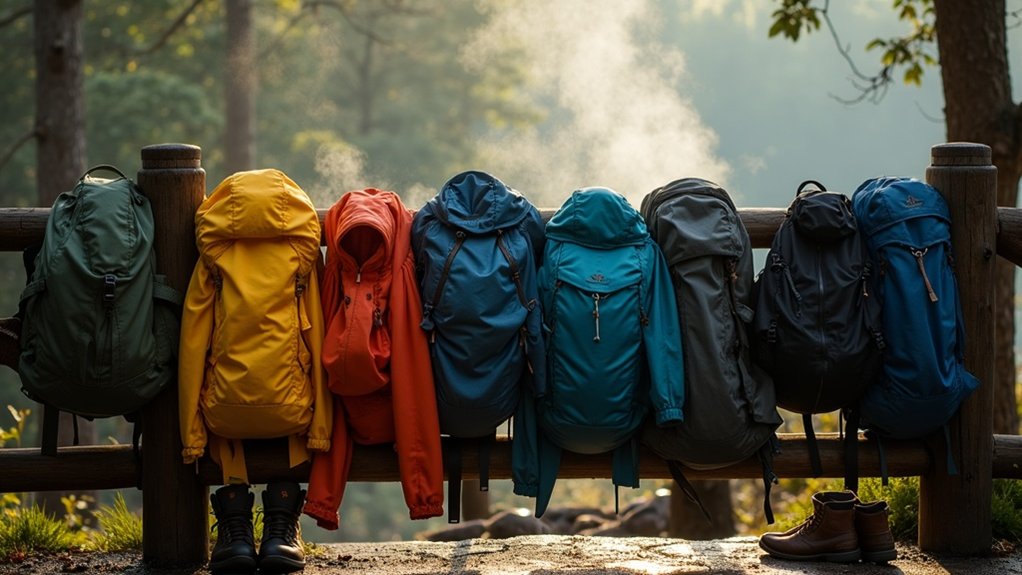
After storms, you can dry your gear quickly using several effective strategies. First, utilize your body heat by layering wet clothing close to your skin. You can also safely use a campfire to dry your gear, placing items upwind to avoid damage. Stuff wet shoes with crumpled newspaper for improved moisture absorption, and wear thin layers to manage sweat. A big tarp can shield your gear from new moisture, and turn your tent into a makeshift clothesline for quick drying. There’s even more to discover on optimizing your drying techniques.
Key Takeaways
- Layer wet clothing close to your skin to utilize body heat for drying and warmth.
- Use a campfire or hot rocks to dry gear safely while monitoring for fire hazards.
- Stuff wet shoes with crumpled newspaper to absorb moisture and enhance drying.
- Set up a tarp to shield wet items from additional moisture while they air out.
- Transform your tent into a clothesline using paracord to maximize drying space.
Use That Body Heat
When you’re caught in a storm and your gear gets soaked, using your body heat is one of the most effective ways to dry it quickly. Layer wet clothing close to your skin; this allows your warmth to evaporate moisture efficiently.
For instance, placing damp gloves between your jacket and base layer can enhance warmth and speed up drying, especially in cold conditions.
Professionals like skier Caroline Gleich rely on this method during shifts.
Opt for breathable shell materials, like Polartec NeoShell or Gore-Tex Pro, to help expel moisture while keeping you warm, preventing further moisture from the environment.
Play (Safely) With Fire
Using a campfire can be an effective way to dry your gear, but you need to prioritize safety.
Keep your items upwind to avoid ember damage while still benefiting from the heat, and always monitor synthetic fabrics closely as they catch fire more easily.
Maintain a safe distance from the flames to maximize drying without risking your gear.
Fire Safety Precautions
While drying gear near a campfire can be effective, it’s crucial to take fire safety precautions to prevent accidents. Always position your gear upwind to avoid ember damage while still benefiting from the heat.
Never place gear directly in the flames, especially synthetic materials, which can melt easily. Use a fireproof tarp or blanket as a barrier, allowing for effective drying without risking sparks.
Regularly check your gear to verify it isn’t overheating or too close to the fire. Alternatively, consider using hot rocks or a portable stove to dry gear safely, minimizing the risks associated with open flames.
Effective Gear Drying Techniques
To effectively dry your gear after a storm, harnessing the power of a campfire can be a game-changer, as long as you prioritize safety.
Keep your wet items upwind to prevent ember damage and place them at a safe distance from the fire to avoid overheating, especially synthetic materials.
Construct a rack or line near the fire, allowing damp clothes to dry quickly without direct flame contact. Use a fire pit for a controlled drying environment, always monitoring ember activity.
Finally, employ a reliable fire starter, like a Sparkr plasma lighter, to ignite your campfire even in wet conditions.
Stuff Your Shoes With Newspaper
After a storm, drying your wet shoes quickly is essential to maintain comfort and prevent foot issues, and stuffing them with crumpled newspaper offers an effective solution.
The cellulose fibers in newspaper are highly absorbent, drawing moisture from inside your shoes. This method is particularly useful during hiking or camping trips, allowing you to dry your shoes without specialized gear.
To maximize effectiveness, replace the newspaper after a couple of hours if your shoes are still damp. Incorporating this simple hack enhances comfort and keeps your feet dry, making it a valuable tip in your gear reviews for drying clothes efficiently.
Wear Thin Layers Close to Your Skin
Wearing thin layers close to your skin is essential for effective moisture management during storms.
These lightweight materials, like merino wool or synthetics, wick sweat away while providing comfort and mobility.
Benefits of Thin Layers
Thin layers worn close to your skin offer considerable advantages, particularly in wet conditions. They help keep your clothing dry by minimizing sweat accumulation and moisture retention.
Here are the key benefits:
- Faster Drying: Lightweight materials like merino wool or synthetics dry quickly if damp.
- Moisture Management: Less insulation reduces water trapping, enhancing evaporation.
- Versatile Comfort: Suitable for various temperatures, ensuring comfort in cold conditions.
- Improved Performance: Staying drier allows for longer, more enjoyable hikes from base camp.
Incorporating thin layers into your gear strategy can considerably enhance your outdoor experience.
Moisture Management Techniques
When you’re outdoors and the weather turns unpredictable, managing moisture effectively is crucial for comfort and performance.
Wearing thin base layers close to your skin minimizes sweat accumulation, which helps your clothing dry faster if it gets wet. Opt for lightweight materials like merino wool or synthetic blends, as they provide insulation while allowing moisture to evaporate efficiently.
Professionals recommend these layers even in extremely cold conditions, as they keep you warm without bulk.
Layering for Comfort
To stay comfortable and dry during unpredictable weather, it’s essential to wear layers that sit close to your skin.
Consider these tips for effective layering:
- Choose lightweight fabrics like merino wool or synthetic blends.
- Opt for thin base layers to reduce sweat accumulation.
- Guarantee your clothing allows for moisture evaporation.
- Keep a dry bag handy; use one to store wet items separately.
Thin layers trap less heat, promoting faster drying when damp.
Professionals recommend these materials for their moisture-wicking properties, guaranteeing you stay warm and comfortable during outdoor activities, especially in wet conditions.
Get a Bigass Tarp
A big tarp is an essential tool for quickly drying gear after a storm, as it can shield your wet items from additional rain or snow. Cheap blue tarps are widely available and offer a versatile solution for creating a drying area at base camp.
By setting up a tarp over your gear, you provide shelter that allows clothes to air out while preventing exposure to moisture. Quickly deploying a tarp when weather changes keeps your items dry and ready for use.
Strategically placing gear under the tarp can greatly enhance the drying process and protect against unexpected weather conditions.
Turn Your Tent Into a Clothesline
Transforming your tent into a makeshift clothesline can be an effective way to dry your gear quickly after a storm. Here’s how to set it up:
Transform your tent into a clothesline to efficiently dry your gear after a storm.
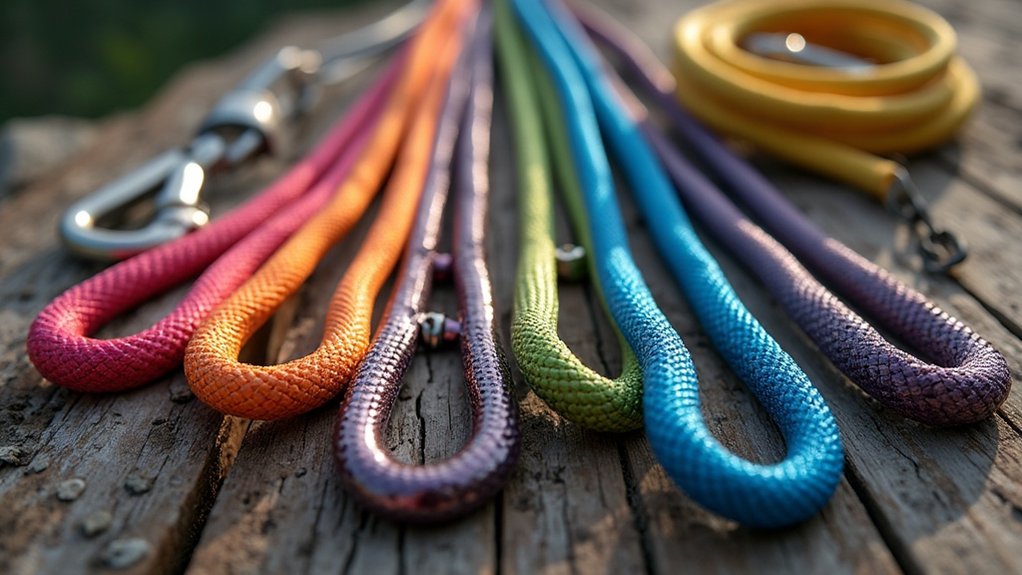
- Use lightweight guyline or paracord to create a clothesline, securing it tightly to avoid sagging under wet items.
- Hang clothes directly from gear loops to maximize drying space without hindering movement.
- Secure smaller items like socks with safety pins to prevent them from falling.
- Utilize the tent’s warmth to expedite the drying process.