Combining errands is a smart way to replace car trips and save time. Start by clustering tasks based on proximity and make a weekly list prioritizing essential stops. Use navigation apps to find efficient routes and schedule errands during off-peak hours. You can also walk or bike for nearby tasks. Additionally, consider online services like grocery delivery to minimize driving. These strategies can greatly lower emissions and costs, and there’s much more to explore!
Key Takeaways
- Plan your errands by grouping them based on location to minimize driving distances and maximize efficiency.
- Utilize navigation apps to find the most efficient routes, avoiding peak traffic times for smoother travel.
- Combine errands into a single outing to reduce the frequency of trips, saving time and fuel.
- Consider walking or biking for nearby errands to eliminate car trips and reduce your carbon footprint.
- Use online services for tasks like grocery delivery and banking to further limit the need for driving.
Understanding the Benefits of Combining Errands
When you combine errands, you not only save time but also make a positive impact on the environment and your wallet.
By planning your trips efficiently, you can reduce travel distances, leading to a 10-30% decrease in fuel consumption. Fewer trips mean less traffic congestion and improved air quality, benefiting community health.
Plus, you’ll save up to 20% on monthly transportation costs through reduced fuel and maintenance expenses.
When you combine your errands, you’re actively lowering your carbon footprint and supporting sustainability efforts, creating a cleaner, greener future for everyone.
Embrace this simple change for big benefits!
Strategies for Effective Errand Clustering
When it comes to errand clustering, planning your route is key to saving time and fuel.
Group similar tasks together to streamline your trips, and schedule them during off-peak hours to avoid traffic.
Plan Your Route
To maximize your time and reduce unnecessary trips, it’s essential to plan your route by clustering errands based on their proximity.
Start by creating a list of tasks and organizing them to minimize backtracking. Use navigation apps to identify efficient routes, potentially saving up to 30% in travel time.
Trip chaining is effective; combine errands into one outing to decrease trips and lower gas expenses. Schedule your errands during off-peak hours for less congestion and shorter drives.
Regularly review your list to guarantee you consolidate tasks, leading to a 10-15% reduction in overall driving distances.
Group Similar Tasks
After planning your route, the next step is grouping similar tasks together. By combining errands, you can reduce travel distance and increase efficiency.
Here are some effective strategies:
- Pair grocery shopping with picking up dry cleaning to save time.
- Plan social activities, like coffee with a friend, near your errands for a more enjoyable outing.
- Coordinate with other parents to carpool for after-school activities, minimizing trips.
Keep a visible weekly errand list at home to guarantee you don’t miss opportunities to combine errands.
This approach not only saves time but also makes running errands more enjoyable.
Schedule Efficient Timing
By strategically scheduling your errands, you can considerably cut down on time spent on the road. Start by planning your tasks during off-peak hours to dodge traffic and make your trips quicker.
Create a weekly errand list, prioritizing tasks by location to reduce backtracking. Combine errands like grocery shopping and a post office visit on the same day for effective clustering.
Utilize a navigation app to find the best routes, saving time and fuel. Regularly evaluate your schedule to spot opportunities, such as picking up groceries on the way to your child’s after-school activity, further minimizing trips.
Planning Your Weekly Errand List
When planning your weekly errand list, start by prioritizing essential tasks to guarantee you tackle what really matters.
Next, group errands by location to optimize your route and save time on the road.
Finally, schedule your trips during off-peak hours for a smoother, quicker experience.
Prioritize Essential Errands
To maximize your time and minimize unnecessary car trips, start by crafting a prioritized weekly errand list that focuses on essential tasks.
Make sure you include only necessary stops to avoid extra driving.
Consider these tips to help you prioritize essential errands:
- Use a calendar to plan errands around peak traffic hours.
- Regularly review your list for new tasks or changes.
- Combine errands that are close together, like grocery shopping and picking up prescriptions.
Group Similar Locations
Grouping similar errands together can greatly streamline your weekly routine, making it easier to manage your time and reduce car trips.
Start by clustering tasks like grocery shopping, banking, and post office visits that are close to each other. This approach minimizes backtracking and cuts down on travel distance.
Use mapping tools or apps to visualize your errands and identify which locations can be visited in one trip. Regularly assess your errand list to guarantee you’re effectively combining errands.
Schedule Efficient Time Slots
While planning your weekly errand list, scheduling efficient time slots can greatly enhance your productivity and reduce stress.
To maximize your time, consider these strategies:
- Choose off-peak hours to avoid traffic congestion and save time on the road.
- Use a digital calendar to set reminders and combine tasks when you’re out, preventing forgotten errands.
- Regularly review your list to adjust for completed tasks and new needs, keeping your plan organized.
Tips for Reducing Driving on Short Trips
Reducing driving on short trips can have a significant impact on both your wallet and the environment, so consider making a few simple adjustments to your routine.
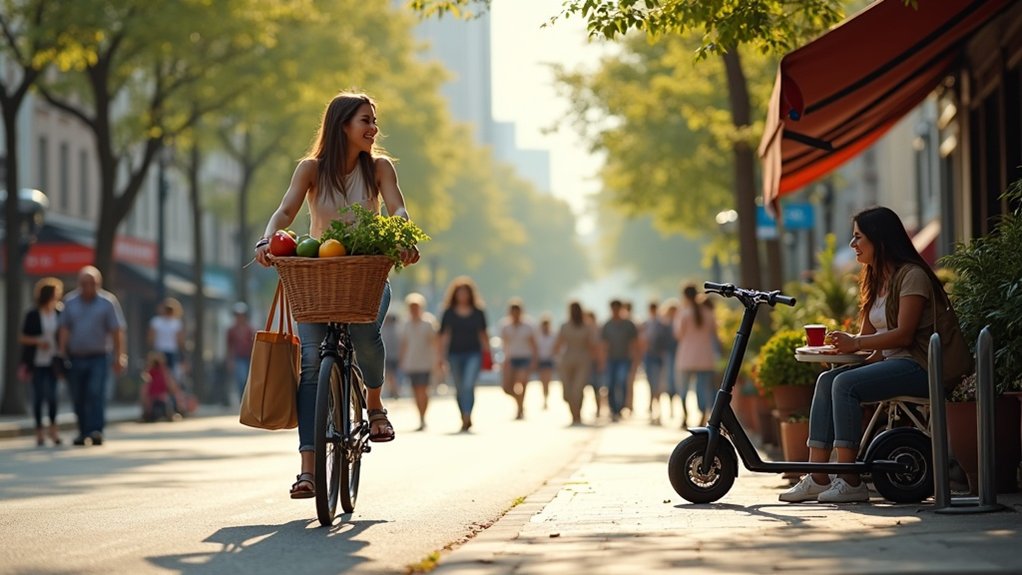
Start by walking or biking for nearby errands—it’s great for fitness and reduces stress.
Plan your route to combine errands into a single trip, minimizing backtracking to save miles and fuel.
Use navigation apps to avoid peak traffic, which cuts down on emissions.
Finally, keep a weekly list of errands and check it before you leave to group tasks efficiently, or consider local services like grocery delivery to limit your driving altogether.
How to Utilize Online Services for Efficiency
Finding ways to streamline your errands can greatly enhance your efficiency and cut down on unnecessary car trips.
By utilizing online services, you can easily combine errands into one trip:
- Use grocery delivery services to skip multiple store visits.
- Handle banking and bill payments online, eliminating the need for in-person trips.
- Stream movies and shows instead of driving to rental stores.
These strategies not only save time but also minimize your carbon footprint.
Embracing online services helps you tackle errands efficiently, allowing you to enjoy more leisure time without compromising on your responsibilities.
The Role of Carpooling and Public Transportation
Carpooling and public transportation play an essential role in making your errands more efficient and environmentally friendly. By sharing rides, you can greatly cut down the number of vehicles on the road, reducing gas consumption and emissions per passenger.
Meanwhile, utilizing public transportation can streamline your errands, as buses and trains often connect multiple stops in one trip, saving you time and money.
Plus, carpooling not only saves on fuel costs but also eases wear and tear on your vehicle, extending its lifespan.
Embracing these options promotes sustainable travel habits and healthier communities, making your errands more manageable.
Measuring the Impact of Combined Errands on Emissions
While you may not realize it, combining errands can have a profound impact on reducing your carbon footprint. By organizing your trips, you not only save time but also help the environment.
Consider the following benefits:
- Reducing total distance driven can cut greenhouse gas emissions by about 15%.
- Clustering errands can save approximately 1,000 pounds of carbon dioxide annually.
- You can lower fuel costs by 20-30%, leading to fewer harmful emissions.
Implementing these strategies can greatly decrease your vehicle miles traveled, improving local air quality and promoting better public health outcomes.
Start combining errands today for a greener tomorrow!