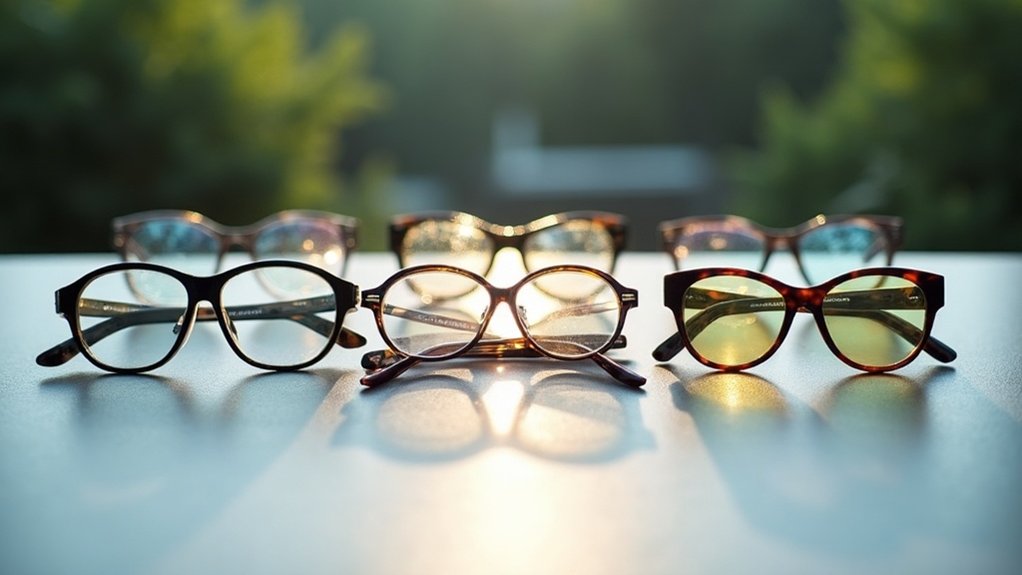

To avoid fogging on your eyewear during stops, use anti-fog sprays or wipes before wearing them. Confirm a proper fit of your mask to redirect breath downward, limiting warm air on your lenses. Maintaining a slight gap between your glasses and face increases airflow. Regularly clean your lenses and consider investing in anti-fog lenses for long-term clarity. For more effective strategies and adjustments, you can further explore additional tips and techniques.
Key Takeaways
- Adjust your mask to fit snugly against your nose, reducing breath escape that causes fogging on lenses.
- Use anti-fog sprays or wipes before stops to create a moisture-repellent barrier on your eyewear.
- Breathe downward by exhaling with your upper lip over your lower lip, directing warm air away from lenses.
- Position your glasses slightly lower on your nose to improve airflow and minimize condensation.
- Regularly clean lenses with a microfiber cloth to remove oils and prevent fog buildup during stops.
Understanding Why Eyewear Fog Up
When you breathe out, the warm, moist air can create a frustrating fog on your eyewear. This fogging occurs when the warm air, rich in water vapor, meets the cooler surface of your glasses, causing condensation.
The temperature difference between your breath and the lenses is essential; fogging happens when the lens temperature approaches the air temperature. Physical exertion, rapid temperature shifts, and wearing masks that direct breath upward can intensify this issue.
To enhance clarity and reduce fogging, regularly clean your lenses to minimize oils and debris buildup that contribute to impaired visibility.
Common Situations That Lead to Fogging
Fogging on your eyewear often occurs during rapid temperature changes, such as moving from a warm room to a cold outdoor space.
High humidity levels can also increase moisture in the air, leading to condensation on your lenses.
Additionally, if you’re wearing a mask that directs warm breath toward your eyewear, you might notice fogging more frequently.
Temperature Changes Impact Fogging
Temperature changes can markedly impact fogging on your eyewear, especially during common situations.
You may notice your glasses fogging up while wearing them when moving from a cold outdoor environment to a warm indoor space. Physical activities, like exercising, generate heat and moisture, increasing the likelihood of condensation on your lenses.
Additionally, breathing directly onto your glasses, especially with a mask on, directs warm air toward them, worsening fogging in chilly conditions. Shifting between climates, such as entering a heated vehicle after being outside, also creates ideal conditions for fogging.
To combat this, keep your glasses clean and dry.
Humidity and Moisture Levels
Humidity and moisture levels greatly contribute to fogging on your eyewear, especially in various everyday situations.
Here are some common scenarios to be aware of:
- Shifting from cold to warm environments can cause condensation on lenses.
- Engaging in physical activities generates heat, increasing humidity levels around your eyes.
- Breathing heavily or exhaling warm air directly onto your lenses leads to moisture buildup.
- High humidity levels from rainy or humid weather exacerbate fogging issues.
To minimize fogging, guarantee proper ventilation and airflow around your face, which can greatly reduce humidity levels and improve your eyewear experience.
Breath Channeling Effects
When you wear a mask, the warm, moist air from your breath can easily be channeled upwards, condensing on the cooler surface of your lenses.
This fogging often occurs during cold outdoor exercise or when shifting from a warm indoor environment.
If your mask doesn’t create a proper seal, gaps can allow warm air to escape, increasing moisture accumulation on your glasses.
To combat this, try using breathing techniques that direct airflow downwards or horizontally.
The Risks Associated With Foggy Eyewear
Have you ever considered how foggy eyewear can compromise your safety?
Foggy glasses can severely impair your visibility, especially when using safety glasses essential for eye protection. This can lead to hazardous situations.
Here are some risks you might face:
- Increased likelihood of accidents due to impaired vision.
- Distraction from removing glasses to clear fog, resulting in mistakes.
- Higher chances of eye injuries, which occur over 2,000 times daily.
- Loss of focus in high-risk environments, impacting overall safety.
Managing fog effectively can prevent 98% of eye injuries, underscoring the importance of clear lenses.
Effective Anti-Fog Solutions to Consider
Foggy eyewear can be a frustrating barrier to clear vision, but effective anti-fog solutions are readily available to combat this issue. You can choose from several methods, including anti-fog sprays and wipes, which reduce surface tension on lenses. Washing your eyewear with soapy water creates a protective film, while anti-fog lenses are designed for long-term use. For high-activity situations, consider anti-fog inserts that absorb moisture. Regularly cleaning your glasses with a microfiber cloth also helps maintain clarity.
| Solution Type | Description | Ideal Use |
|---|---|---|
| Anti-Fog Sprays/Wipes | Reduces lens surface tension | Everyday use |
| Soapy Water | Creates a moisture-repellent film | Daily maintenance |
| Anti-Fog Lenses | Specifically designed to minimize fogging | Long-term solution |
| Anti-Fog Inserts | Absorbs moisture during high activity | Sports/outdoor use |
| Microfiber Cloth | Removes oils and residues for clarity | Regular cleaning |
Practical Breathing Techniques to Minimize Fogging
To effectively minimize fogging on your eyewear, practice the downward breath technique by exhaling while holding your upper lip over your bottom lip.
Adjusting your jaw slightly can further redirect airflow, keeping warm air away from your lenses.
With consistent practice, these breathing adjustments can become second nature and considerably reduce fogging during your activities.
Downward Breath Technique
How can you effectively minimize fogging on your eyewear during activities? The downward breathing technique is a practical method to reduce glasses fog. By directing your exhaled air downwards, you prevent warm air from hitting your lenses.
Follow these steps to master the technique:
- Position your upper lip over your lower lip.
- Exhale gently, directing the air downward.
- Practice this approach regularly to develop a natural habit.
- Combine it with other fog prevention methods for better results.
With consistent use, this technique can enhance visibility and safety, allowing for a clearer vision during your activities.
Jaw Position Adjustment
A simple adjustment in your jaw position can greatly enhance your ability to minimize fogging on eyewear during activities.
By slightly opening your jaw, you create a larger gap in the airflow path, directing exhaled breath away from your lenses. This helps prevent warm air from reaching the cooler surface of your glasses.
Initially, practicing this technique requires concentration, but it can become a natural habit over time. Intentional breath direction—downward or horizontally—reduces warm, moist air that condenses on your lenses, ensuring clearer vision.
Small adjustments in your jaw and head position can make a noticeable difference in various conditions.
Mask Adjustments for Clearer Vision
Proper mask adjustments can greatly enhance your vision by minimizing fogging on eyewear. To see clearly while wearing a mask, consider these tips:
- Pull the mask higher on your face for a snug fit against your nose.
- Pinch the top of the mask to mold it to your nose shape, reducing breath escape.
- Confirm your glasses rest on top of the mask material to close gaps.
- Use adjustable straps for a tighter fit, creating a better seal.
These mask adjustments will help you avoid fogging and maintain clear vision throughout the day.
Maintaining Proper Eyewear Fit
While wearing eyewear, maintaining a proper fit is essential for minimizing fogging and enhancing comfort.
To keep your glasses snug against your nose and cheeks, make sure there are no gaps where warm air can escape. Utilize adjustable nose pads for a customized fit that reduces space between your face and lenses.
Small grips or ear hooks can secure your glasses in place, preventing them from sliding down. Consult with an optician to make necessary adjustments for the best fit.
Positioning glasses slightly lower on your nose allows better airflow, further reducing fogging, especially when wearing a mask.
Long-Term Solutions: Investing in Anti-Fog Lenses
If you’re tired of dealing with foggy lenses, investing in anti-fog lenses could be the solution you need.
These specialized lenses are designed to minimize condensation, providing clearer vision during temperature changes.
Consider the following benefits:
- Enhanced comfort and visibility, especially in varying temperatures.
- Tailored options available from eye care professionals for your prescription glasses.
- Durable fog resistance for sports and outdoor activities.
- Improved lens performance with proper maintenance.