E-bike classes notably affect where you can ride. Class 1 e-bikes are allowed on most bike lanes and multi-use paths, offering broad access. Class 2 e-bikes also have similar permissions but may face restrictions in certain areas. Class 3 e-bikes, with higher speeds, are often confined to roadways and may not be permitted on multi-use paths, plus they usually require helmets for riders. Knowing the specific local regulations is essential for a smooth riding experience. You’ll discover more about choosing the right class for your needs.
Key Takeaways
- Class 1 e-bikes are widely permitted on bike lanes, roads, and multi-use paths, similar to traditional bicycles.
- Class 2 e-bikes also access bike lanes and roads, but may face specific restrictions in some areas.
- Class 3 e-bikes are limited mainly to roadways and bike lanes, with many multi-use paths prohibiting their use.
- Local regulations significantly affect where each e-bike class can ride, so checking local laws is essential.
- Helmet requirements and age restrictions vary by e-bike class, influencing rider safety and access opportunities.
E-Bike Class Overview and Legal Permissions
Understanding the different classes of e-bikes is essential, as they dictate where you can legally ride.
E-bike classes—Class 1, Class 2, and Class 3—determine access to various paths and roads, influenced by local regulations.
Class 1 e-bikes, which only offer pedal assistance up to 20 mph, typically have broad access to bike lanes and most multi-use paths.
Class 1 e-bikes provide pedal assistance up to 20 mph, granting extensive access to bike lanes and multi-use paths.
In contrast, Class 2 e-bikes, equipped with throttle assistance, share similar access but may face restrictions in select areas.
Class 3 e-bikes, with assistance up to 28 mph, are mainly limited to roads and bike lanes, often facing multi-use path restrictions.
Class 1 E-Bike Usage and Accessibility
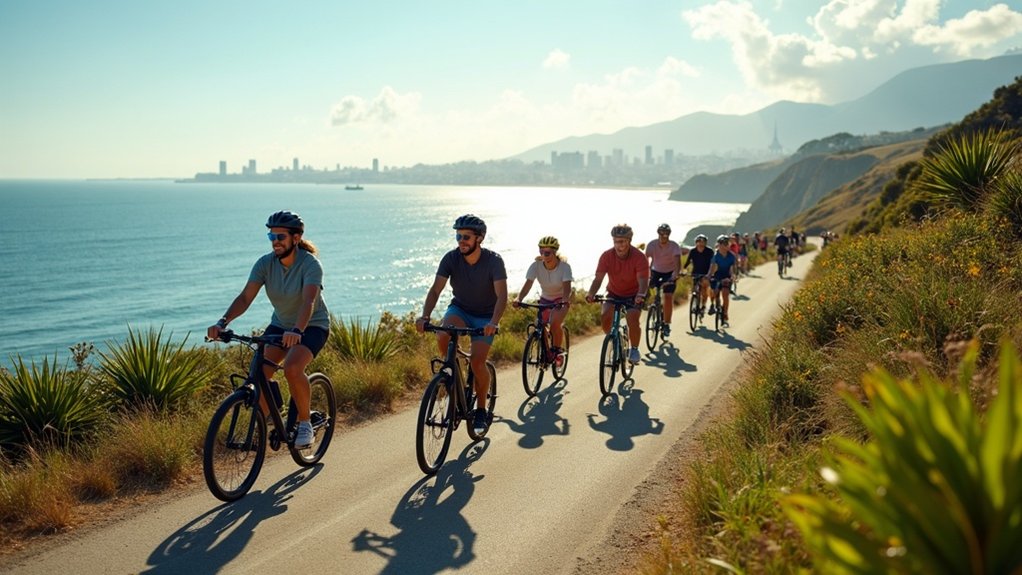
Class 1 e-bikes offer a versatile riding experience, as they’re permitted on a wide range of bike lanes, roads, and multi-use paths.
With their accessibility, you can enjoy:
- Scenic routes through local parks
- Safe bike lanes in urban settings
- Tranquil trails away from motorized vehicles
- Community paths connecting neighborhoods
These class 1 electric bikes are treated like traditional bicycles, easing e-bike access in regulated areas.
Since they require pedaling for motor assistance, local regulations often favor them for their environmental impact, creating a relaxed ride where helmet use may not be necessary in many jurisdictions.
Class 2 E-Bike Regulations and Riding Areas
When considering Class 2 e-bikes, it’s vital to understand both where you can ride and any restrictions that may apply.
While many urban areas allow these bikes on bike lanes and roads, specific parks and multi-use paths might’ve limitations.
Additionally, safety regulations, such as helmet requirements, can vary, so checking local laws is essential for a smooth riding experience.
Allowed Riding Locations
While steering through the rules surrounding Class 2 e-bikes, it’s crucial to recognize the variety of allowed riding locations, which include bike lanes, roads, and many multi-use paths.
These locations enhance your commuting and recreational experiences, but local laws can vary greatly. Before riding, consider:
- Smooth bike lanes weaving through urban landscapes
- Scenic roads lined with trees and wildlife
- Multi-use paths bustling with fellow cyclists and pedestrians
- Accessible trails perfect for varied terrains
Understanding the specifics of e-bike classes guarantees you ride legally and safely, maximizing your enjoyment while adhering to local regulations.
Restrictions and Limitations
Understanding the restrictions and limitations surrounding Class 2 e-bikes is essential for ensuring a safe and compliant riding experience. While you can typically ride Class 2 e-bikes on bike lanes and roads, certain parks and multi-use paths may impose restrictions due to safety concerns. Always check local rules, as age restrictions may also apply. Many jurisdictions allow Class 2 e-bikes on off-highway vehicle trails, expanding your riding options.
| Area Type | Restrictions |
|---|---|
| Parks | May restrict Class 2 e-bikes |
| Multi-Use Paths | Safety concerns may limit access |
| OHV Trails | Generally permitted |
Safety Considerations
Steering through the regulations and safety considerations for Class 2 e-bikes is essential for a responsible riding experience.
Understanding local laws will help you navigate where you can ride safely.
- Class 2 e-bikes can access bike lanes and roads.
- Some trails restrict them to protect the environment.
- They’re ideal for those with limited mobility.
- Not all multi-use paths permit Class 2 for safety reasons.
Always verify regulations in your area to guarantee compliance.
Class 3 E-Bike Restrictions and Compliance
As you explore the world of Class 3 e-bikes, it’s vital to recognize that their higher speed capabilities of up to 28 mph come with specific restrictions and compliance requirements.
Many local regulations prohibit Class 3 e-bikes from multi-use paths and bike trails to enhance safety and minimize conflicts with slower cyclists and pedestrians.
In California, for instance, helmet requirements mandate that riders wear helmets and be at least 17 years old.
Class 3 e-bikes are mainly permitted on roadways and bike lanes; however, understanding your local regulations is important to avoid fines and guarantee safe riding practices.
Local Regulations and Their Impact on E-Bike Riding
While local regulations can greatly impact your e-bike riding experience, they often vary widely between states and municipalities. Understanding e-bike laws is essential for safe riding.
Consider the following:
- Many bike trails allow only Class 1 e-bikes, promoting safety.
- Class 3 e-bikes frequently face road-use restrictions, limiting access to paths.
- Some areas impose age limits on riders of faster e-bike classes.
- Helmet requirements may apply, reflecting safety concerns.
Checking local regulations regarding e-bike classes guarantees compliance and enhances your riding experience.
Always stay informed to navigate your routes legally and safely while enjoying the benefits of e-biking.
Choosing the Right E-Bike Class for Your Needs
Choosing the right e-bike class is essential for maximizing your riding experience and ensuring compliance with local regulations. Understanding the distinctions between e-bike classes helps you determine where you can ride legally and safely.
| E-Bike Class | Riding Areas |
|---|---|
| Class 1 | Bike paths, multi-use trails |
| Class 2 | Bike lanes, multi-use paths |
| Class 3 | Restricted areas, may require helmets |
Be sure to check local laws before choosing the right e-bike for your needs, as restrictions vary by state and municipality, influencing your riding options considerably.