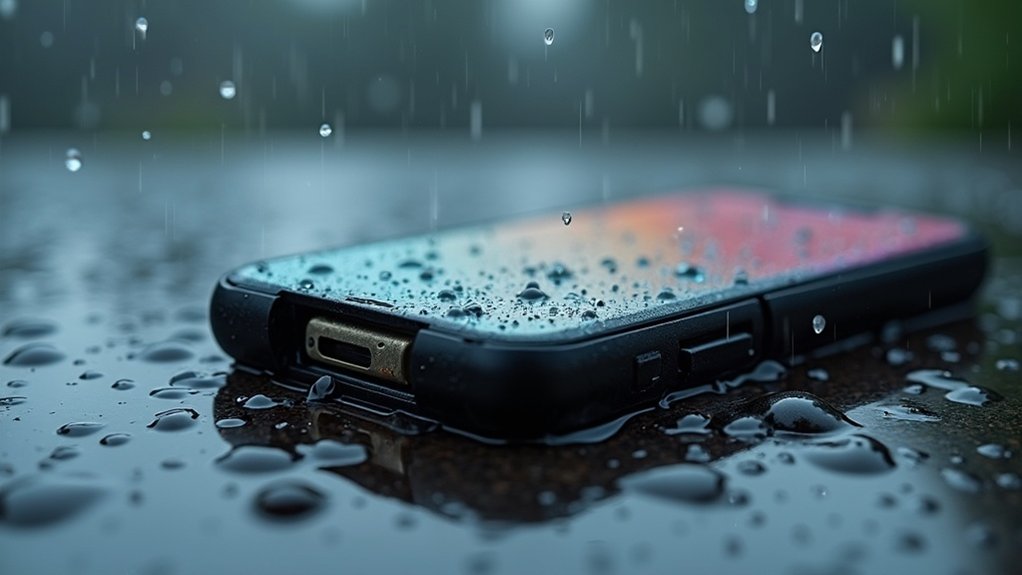
Yes, rain can void battery protection if misused. Water exposure can lead to short circuits, corrosion, and irreversible damage, especially in equipment not rated for wet conditions. Always check waterproof ratings, inspect connectors for moisture, and avoid charging during heavy rain. Using improper charging techniques can further compromise battery systems, drastically reducing their lifespan. If you want to guarantee your battery’s longevity and performance, there are essential practices and guidelines to follow.
Key Takeaways
- Prolonged exposure to rain can lead to short circuits, potentially voiding battery protection systems if not properly managed.
- Corrosion from water damage can significantly reduce battery lifespan and effectiveness, negating built-in protections.
- Charging batteries in wet conditions without proper precautions can cause immediate failure and compromise safety mechanisms.
- Inspecting connectors for moisture and damage is essential, as corrosion can disrupt electrical connections and battery performance.
- Using waterproof covers and ensuring proper sealing can help maintain battery protection against rain exposure.
Understanding Battery Protection Systems
Understanding Battery Protection Systems is essential for maximizing the lifespan and efficiency of your battery. These systems safeguard against overcharging, deep discharging, and short circuits, ensuring optimal performance and durability.
Many lithium batteries feature built-in Battery Management Systems (BMS) that monitor voltage and temperature. However, waterproof ratings like IP65 only indicate resistance to water ingress; prolonged moisture exposure can still compromise protection.
Sealed construction is important, as neglect can lead to water damage, corrosion, and potential failure. Regular maintenance and inspections are critical for identifying vulnerabilities, preventing environmental factors from impacting your battery’s functionality and safety.
Risks of Water Exposure to Batteries
When water comes into contact with batteries, it poses considerable risks that can compromise their performance and safety. Water exposure can lead to short circuits, particularly in traditional lead-acid and lithium-ion batteries. Corrosion of terminals and internal components considerably reduces battery lifespan. Saltwater exposure accelerates this process, creating conductive paths that can cause failure. Prolonged exposure, even to freshwater, degrades performance and introduces harmful compounds. Flooding can result in irreversible damage and fire risks. Understanding these dangers emphasizes the need for proper water resistance in battery design.
| Risk | Effect on Battery | Action Required |
|---|---|---|
| Short Circuits | Immediate failure | Replace battery |
| Corrosion | Reduced lifespan | Regular maintenance |
| Saltwater Exposure | Accelerated damage | Immediate replacement |
Proper Charging Techniques in Rainy Conditions
Charging batteries in rainy conditions demands careful attention to detail to guarantee safety and performance.
To minimize risks associated with moisture, follow these proper charging techniques:
- Confirm both battery and charging equipment have waterproof ratings (IP65 or higher).
- Inspect connectors for dryness and damage before starting the charging process.
- Use dedicated charging equipment designed for wet environments to enhance protection.
- Avoid charging outdoors during heavy rain or thunderstorms to maintain battery integrity.
Always adhere to manufacturer guidelines for charging in such conditions to secure peak performance and safeguard against moisture-related hazards.
Importance of Connector Maintenance
Maintaining battery connectors is essential for ensuring ideal performance and safety, especially in environments where moisture is a factor. Regular maintenance prevents corrosion at battery terminals, which can lead to poor electrical connections and diminished battery performance.
For outdoor use, select connectors rated to withstand moisture exposure, minimizing risks of short circuits. Frequently inspect connectors for signs of wear or rust, facilitating timely repairs. Keeping battery terminals clean enhances conductivity, particularly in wet conditions.
Additionally, applying protective coatings or greases offers extra defense against moisture intrusion and corrosion, greatly boosting the reliability of your battery system.
Manufacturer Guidelines for Safe Use
Understanding and following manufacturer guidelines for safe battery use is essential to guarantee peak performance and longevity.
Following manufacturer guidelines for battery use is crucial for optimal performance and extended lifespan.
Adhering to these directives will help you avoid moisture-related damage and other issues. Here are key practices to contemplate:
- Store batteries in dry environments to prevent corrosion and potential warranty voids.
- Use waterproofing and protective enclosures as specified to avoid battery failure.
- Regularly inspect batteries for signs of corrosion, as recommended by the manufacturer.
- Be aware of IP ratings to ensure you don’t exceed the specified water resistance, preventing safety hazards and maintaining functionality.
Preventative Measures to Mitigate Water Damage
To protect your batteries from water damage, you should cover them with waterproof materials and elevate their installations.
Regular inspections post-rain will help you catch any signs of corrosion or wear that could affect performance.
Battery Cover Usage
A reliable battery cover is essential for preventing water damage and guaranteeing peak performance in various environments.
To maximize battery cover usage, follow these guidelines:
- Choose a waterproof or water-resistant cover to prevent moisture exposure.
- Ascertain compartments are properly sealed to block water ingress during adverse weather.
- Conduct regular inspections for wear and tear, identifying vulnerabilities before they lead to damage.
- Utilize protective enclosures rated for outdoor use to enhance durability and prolong the battery’s lifespan.
Elevation Techniques
Battery covers provide important protection against moisture, but taking additional steps can further enhance your battery’s resilience against water damage.
Elevating batteries above potential water pooling areas is essential, especially during heavy rainfall. Use battery mounts or platforms made from non-conductive materials to prevent direct moisture contact, ensuring peak performance, particularly for sensitive battery types like lithium-ion.
Regularly check and adjust the elevation of batteries to maintain protection in flood-prone areas. Additionally, implementing effective drainage solutions around battery storage can greatly minimize exposure to water, safeguarding battery integrity and preventing damage during adverse weather conditions.
Regular Inspection Routine
Regular inspections are essential for maintaining battery health, especially in areas prone to water exposure.
To mitigate potential damage, follow this routine:
- Check for moisture: Inspect battery compartments for signs of accumulation or wear, ensuring seals are intact.
- Look for corrosion: Conduct visual checks around terminals, as rust indicates water exposure and degradation.
- Clean terminals: Use a baking soda and water mixture to neutralize corrosion and maintain efficient conductivity.
- Log inspections: Maintain a record of inspection dates and findings to track battery health and detect issues related to moisture promptly.